
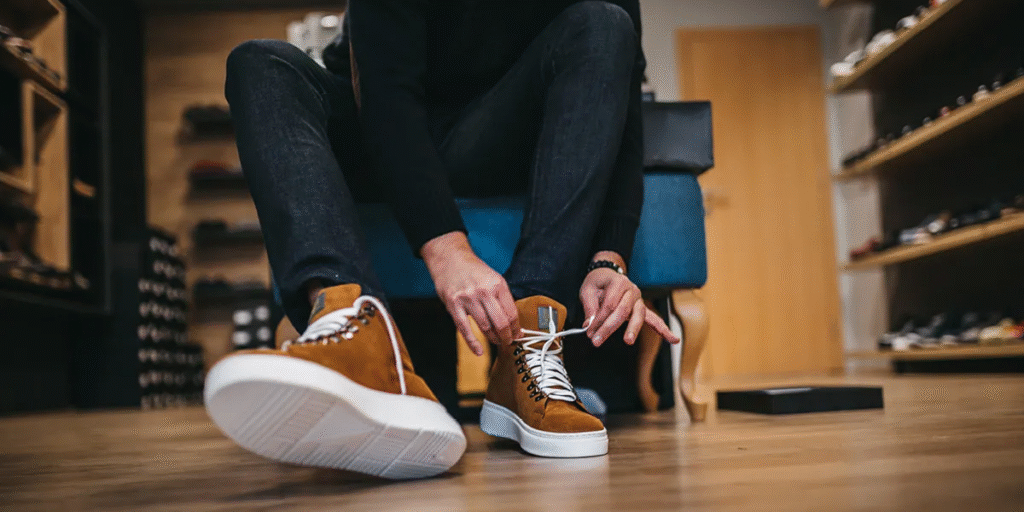
Think about the last time you bought a pair of shoes. What made you choose them? A few years ago, the answer was almost always how they looked on the shelf or how well they matched a specific outfit.
But things are changing fast. Today, walking into a shoe shop—or scrolling through an online store—feels different. We don’t just want to look good; we want to feel good, too. We want shoes that can handle a full day of walking, working, and running errands without causing a single blister. And more than ever, we want to know that our choices aren’t harming the planet.
This shift has kicked off a brand-new era in the footwear industry. Comfort and sustainability are no longer optional extras or premium features. They have become the absolute standard. Brands all over the world are completely rethinking how they design, manufacture, and sell everyday casual footwear to meet the needs of a more thoughtful generation of shoppers.
What the Modern Shopper Really Wants

The modern shopper is incredibly smart. We have access to more information than ever before, and that has changed our buying habits. When we look at a pair of sneakers, we aren’t just looking at the price tag or the brand logo. We are asking real, meaningful questions:
- Where were these shoes made?
- What kind of materials went into them?
- Are the workers who made them being treated fairly?
- What happens to these shoes when I’m done wearing them?
This level of awareness has turned shopping into a reflection of personal values. People want their wardrobes to match their ethics. Because of this, brands that rely on old, wasteful manufacturing methods are losing ground to innovative companies that put the planet first.
The Death of the “Pain for Fashion” Rule
We’ve all been there: buying a gorgeous pair of shoes, wearing them out for an evening, and spending the next three days nursing painful blisters or sore arches. For a long time, “pain for fashion” was just an unwritten rule we all accepted.
Not anymore. Today, our lives are far too busy and active to be held back by uncomfortable footwear. The rise of flexible working hours, remote jobs, and hybrid lifestyles means our days are highly fluid. You might start your morning working from your kitchen table, walk to a local café for lunch, spend the afternoon running errands, and meet up with friends for dinner.
When your day involves that much movement, you need a single pair of shoes that can do it all. Comfort is no longer seen as a luxury meant only for orthopedic shoes; it is an absolute necessity for everyday fashion.
Inside the Design: What Makes a Shoe Truly Comfortable?
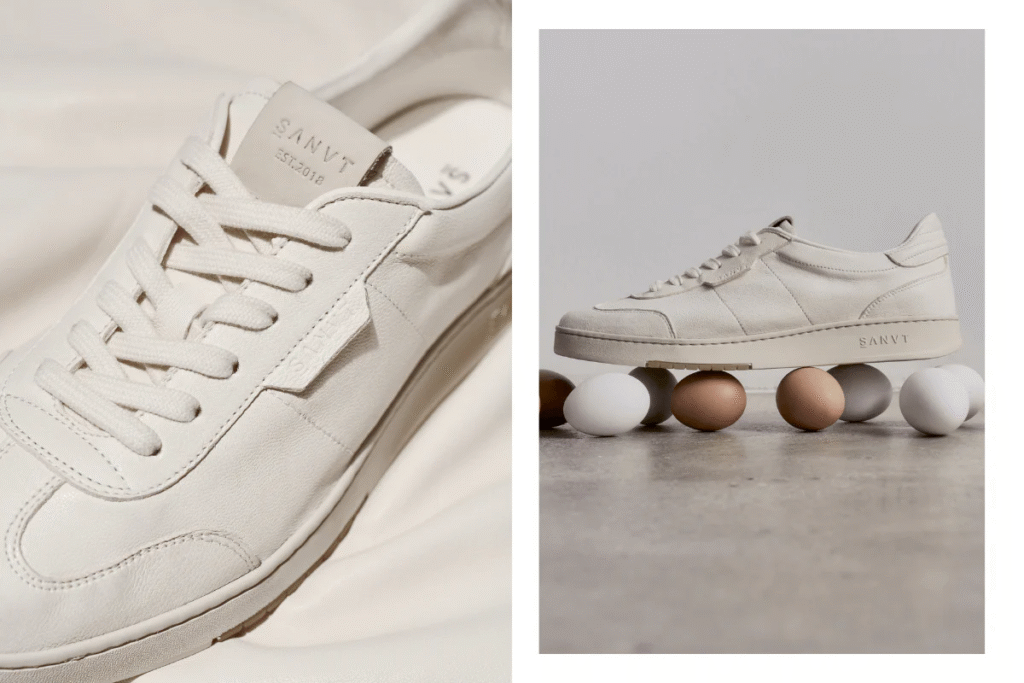

To create a shoe that feels great all day, designers have to look far beyond simple padding. Modern casual shoes are masterpieces of everyday engineering. Here is exactly what goes into making them feel like a dream on your feet:
1. Cloud-Like Cushioning
Traditional shoes often use cheap, hard foam that flattens out after a few weeks. Modern comfort-first shoes use advanced, bouncy midsoles that absorb the shock of every step you take on hard city pavements. This protects your knees, ankles, and lower back from fatigue.
2. Anatomical Arch Support
A flat shoe is a recipe for foot pain. High-quality casual footwear is now designed to mimic the natural curve of the human foot, distributing your body weight evenly and preventing foot strain during long hours of standing.
3. Lightweight Construction
No one wants to feel like they are dragging weights around their ankles. By using advanced materials and smarter construction techniques, brands can create incredibly durable shoes that weigh next to nothing.
4. Zero-Break-In Engineering
The worst part of getting new shoes is the dreaded “break-in” period. Thanks to soft, flexible uppers made from woven materials, many modern shoes fit perfectly the very first time you slip them on—no plasters required.
Earth-Friendly Materials Leading the Charge
One of the most exciting parts of the sustainable shoe movement is the brilliant shift toward natural, renewable resources. For decades, the footwear industry relied heavily on cheap, petroleum-based plastics, synthetic leathers, and harsh chemical glues. These materials take hundreds of years to break down in landfills.
Today, nature is providing the ultimate toolkit for shoemakers. Here are some of the incredible natural materials leading the way:
- Merino Wool: This isn’t the itchy wool your grandparents wore. Merino wool is incredibly soft, scratch-free, and naturally flexible. Even better, it acts as a natural thermostat—keeping your feet cool on hot summer days and warm when the winter chill sets in. Because it breathes so well, it also locks away odors automatically.
- Eucalyptus and Tree Fibers: Sourced from responsibly managed, sustainable forests, these fibers are spun into silky-smooth yarn. They create shoes that are incredibly breathable, structurally strong, and completely biodegradable.
- Natural Rubber: Instead of using synthetic rubber made from fossil fuels, green brands harvest sap from rubber trees. This creates bouncy, long-lasting soles that give you excellent grip without releasing harmful microplastics into the ground as they wear down.
- Organic Cotton and Hemp: Grown without dangerous pesticides or excessive water, these natural textiles are perfect for classic canvas sneakers that are tough, breathable, and easy on the earth.
Smarter Technology to Erase Waste
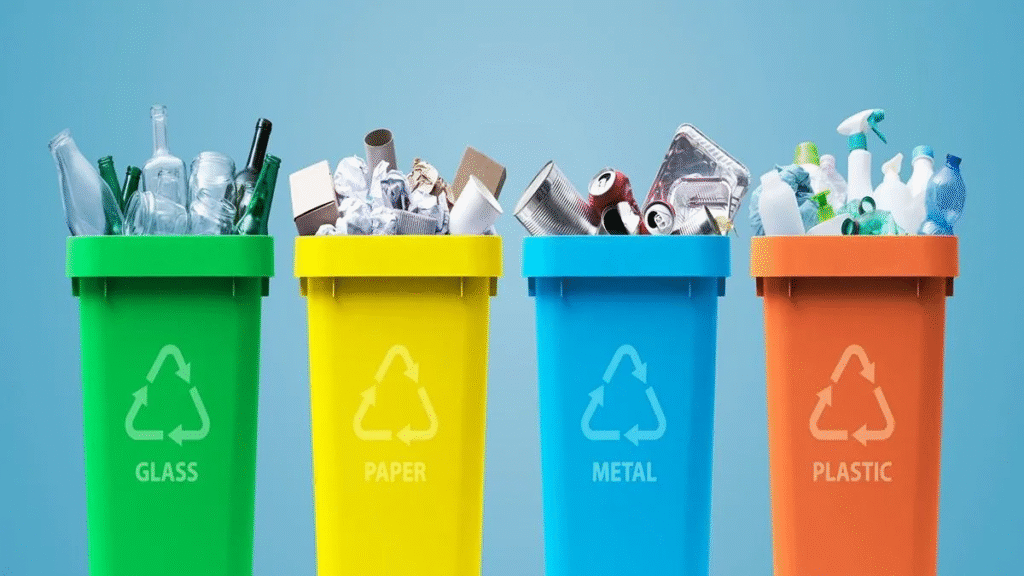
Sustainability isn’t just about the fabrics we can see and touch; it’s also about changing the invisible processes behind the scenes. Historically, making shoes was an incredibly wasteful process. Factory machines would stamp out shapes from large sheets of leather or synthetic fabric, leaving massive piles of scrap material to be thrown directly into the rubbish.
Modern technology is fixing this problem through clever engineering:
3D Digital Knitting
Many modern sneakers feature a one-piece upper that is digitally knitted by automated machines. The machine uses the exact amount of thread needed for that specific shoe size, virtually eliminating fabric waste.
Upcycling Waste
Innovators are finding amazing ways to turn trash into treasure. Old plastic water bottles rescued from the ocean are being melted down and spun into incredibly strong, durable shoelaces and mesh linings. Discarded coffee grounds are being mixed into insoles to naturally fight odor, and recycled car tires are being transformed into rugged outsoles.
Quality Over Quantity: The Ultimate Green Secret
The absolute best way to be a sustainable shopper is incredibly simple: buy fewer things, but buy them better. The fast-fashion cycle has trained us to buy cheap, low-quality items that look worn out or fall apart within a few months. This cycle is disastrous for our wallets and even worse for the planet.
When you invest in a high-quality pair of sustainable casual shoes, you are breaking that cycle. Well-made shoes use superior stitching, premium natural materials, and durable soles that are built to last for years. Even if they cost a bit more upfront, they save you money over time because you won’t need to replace them every season.
Choosing durability over temporary trends is a massive win for your feet and a huge step toward reducing global waste.
What Does the Future Hold for Footwear?
The green revolution in the shoe world is just getting started. As technology advances and more shoppers demand eco-friendly choices, sustainable production will become cheaper and much more accessible.
In the coming years, we can expect to see fully circular shoes. Imagine wearing a pair of sneakers for two years, and when they finally wear out, sending them back to the brand to be completely melted down and remade into a brand-new pair. We are also seeing the rise of plant-based leathers made from mushrooms, pineapples, and apple skins, offering the luxury feel of traditional leather without any of the environmental downsides.
Ultimately, sustainability won’t be a special marketing buzzword or a niche category in a store. It will simply be the default way all footwear is made.
Kristen Bell Biography: Career, Family & Achievements
Kristen Bell has built one of the most versatile and durable careers in modern Hollywood….

Bershka: Discover Trendy Women’s Fashion & Modern Style
Fashion is more than just wearing clothes. It is a way to express your personality,…

Ford Bronco: Everything You Need to Know Before Buying
Buying a new vehicle is a major commitment, and choosing a purpose-built 4×4 requires looking…

Frequently Asked Questions
1.What exactly makes a pair of shoes “sustainable”?
A shoe is considered sustainable if it uses eco-friendly materials (like recycled plastics, organic cotton, or natural wool) and is made using ethical manufacturing processes. This includes reducing water waste, cutting carbon emissions, using non-toxic glues, and ensuring factory workers receive fair wages and safe working conditions.
2.Are eco-friendly shoes really as comfortable as regular shoes?
In many cases, they are actually more comfortable! Natural materials like merino wool and eucalyptus fibers are naturally softer, stretchier, and significantly more breathable than cheap synthetic plastics and faux leathers. They mold to the shape of your foot beautifully and keep your feet fresher throughout the day.
3.How do I take care of shoes made from natural materials?
It is surprisingly easy. Many shoes made from natural wool or tree fibers are machine washable. You simply remove the insoles and laces, place the shoes in a delicate mesh wash bag, and run them on a cold, gentle cycle with mild detergent. Crucially, always let them air dry naturally—never put them in a tumble dryer!
4.Why do sustainable shoes sometimes cost more?
Sourcing premium, responsibly grown materials and paying factory workers fair, living wages costs more than mass-producing cheap synthetic shoes in exploitative environments. However, because sustainable shoes focus heavily on quality and durability, they last much longer, giving you far better value for your money in the long run.
5.Are all vegan shoes automatically sustainable?
Not necessarily, and this is a common misunderstanding. While vegan shoes strictly avoid animal products like leather, some brands use cheap, petroleum-based plastics (like PVC or polyurethane) to replace the leather. These materials don’t biodegrade and harm the environment. When buying vegan shoes, always look for brands that specifically use recycled plastics or plant-based alternatives like mushroom or pineapple leather.