

A home is so much more than just four walls and a roof. It is the launchpad for your busy mornings, the sanctuary where you unwind after a stressful day, and the place where your favorite family memories are made.
As lifestyles evolve, the way we look at our living spaces is changing too. Instead of dealing with the massive stress and expense of moving to a new house, homeowners are choosing to stay put and upgrade what they already have.
Home improvement projects are the single best way to build a comfortable, stylish, and highly functional living space. Whether you want to fix up a single awkward corner or completely overhaul your entire property, the right upgrades can completely change your daily life.
With so many incredible tools, modern building materials, and affordable smart home technologies available today, renovating has never been easier. This guide breaks down the best home improvement ideas, practical tips, and budget-friendly upgrades to help you fall in love with your home all over again.
Why Home Improvement is the Ultimate Investment
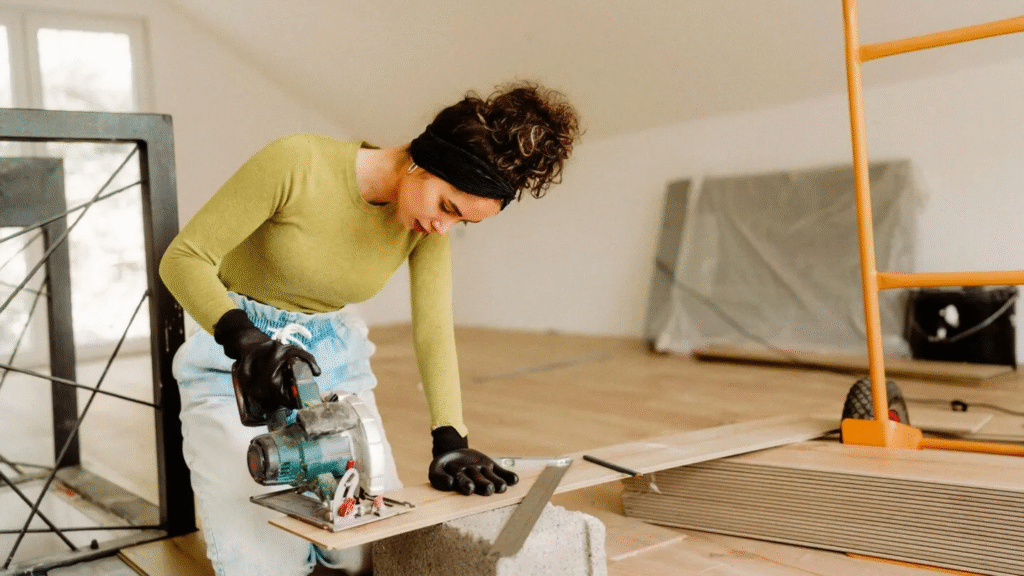
Many people assume that home renovation is purely about cosmetics—like slapping a trendy color on the wall. While looks are important, a truly successful renovation focuses on improving how your home actually works for you.
Simple, low-cost updates like installing better lighting, adding smart storage bins, or swapping out old, leaky faucets can instantly make a room feel brand new. On a larger scale, projects like kitchen remodels or turning your backyard into an entertainment zone add massive monetary value to your property.
Homeowners are moving away from cheap, fleeting design trends. Instead, the focus is on timeless upgrades that combine beauty with everyday practicality.
Investing in your home can also keep more money in your bank account over time. Installing energy-efficient appliances, sealing up drafty windows, and adding proper insulation will slash your monthly utility bills while reducing your carbon footprint.
The Secret to Renovation Success: Start with a Bulletproof Plan
Every single renovation horror story you have ever heard usually comes down to one thing: a lack of proper planning. Before you grab a hammer or head to the local hardware store, you need a clear blueprint of your goals.
Take a walkthrough of your house with a notepad and ask yourself these questions:
- Which rooms cause the most daily frustration?
- Are you running out of storage space, or is the layout just awkward?
- Is your outdoor area being wasted as a clutter zone?
Once you identify the problems, map out a realistic budget. A solid budget acts as a guardrail that keeps you from overspending on flashy finishes. Take the time to read product reviews, compare material costs, and look at design inspiration online. The more homework you do before demolition day, the smoother and cheaper your project will be.
Kitchen Remodeling: Upgrading the Heart of the Home
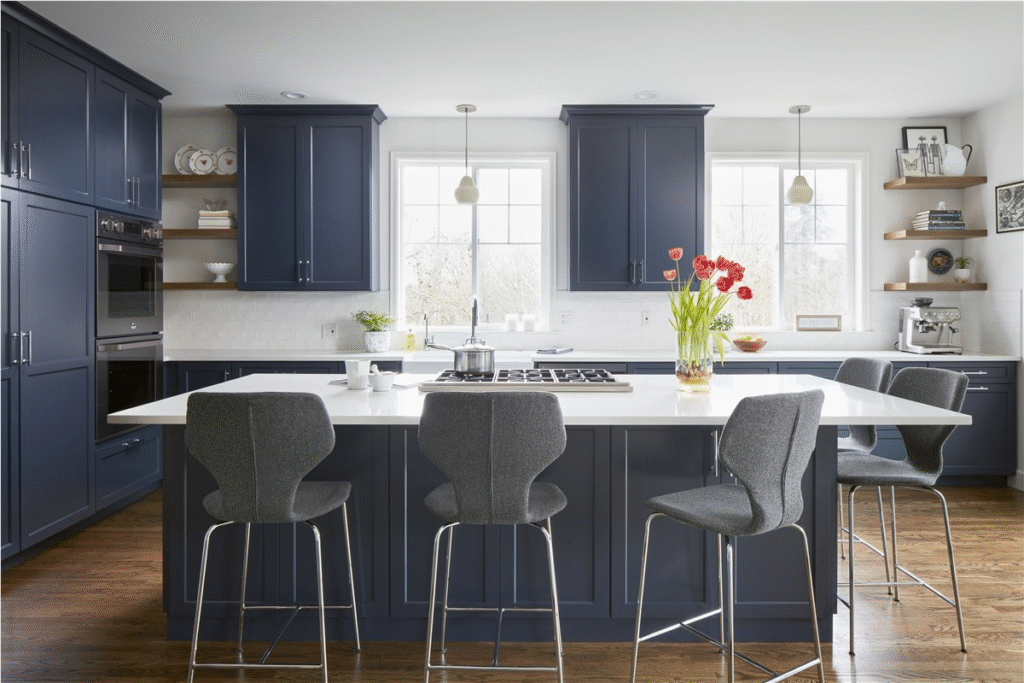
The kitchen will always be the most popular room to renovate. It is the central hub of the household where meals are cooked, homework is tackled, and guests gather during parties.
Modern kitchen renovations focus heavily on streamlining your daily workflow. Upgrading to durable countertops, installing energy-efficient appliances, and adding layered lighting (like under-cabinet LED strips) can completely transform your cooking experience.
Smart Ways to Maximize Kitchen Storage:
- Pull-Out Pantries: No more losing cans of food at the very back of dark shelves.
- Deep Pot Drawers: Trade awkward lower cabinets for smooth-gliding drawers that hold heavy cookware.
- Hidden Trash Centers: Keep recycling bins and trash cans tucked neatly inside the cabinetry.
You do not need to spend tens of thousands of pounds to see a massive change. Smaller adjustments—like painting your existing cabinet doors, changing out old handles, or installing a beautiful tile backsplash—can give you a luxury kitchen look on a shoestring budget.
Spa-Like Bathrooms: Turning a Practical Room into a Sanctuary
Bathrooms are no longer treated as just a quick stop to wash up. Homeowners want their bathrooms to feel like a boutique hotel spa—a quiet zone dedicated to self-care and relaxation.
Popular bathroom upgrades include seamless walk-in showers, freestanding bathtubs, large mirrors with built-in LED lighting, and floating vanities that make the room feel larger. Using soft, earthy color palettes and natural materials like stone or wood accents helps create an instantly calming environment.
If you are on a tight budget, focus on the details. Swapping out a old showerhead for a high-pressure rain shower model, replacing mismatched hardware, and adding clever wall shelving for rolled towels can instantly elevate the space.
As a bonus, installing low-flow toilets and water-saving faucets will drastically cut down your water consumption and trim your utility bills.
Outdoor Living Areas: Expanding Your Square Footage
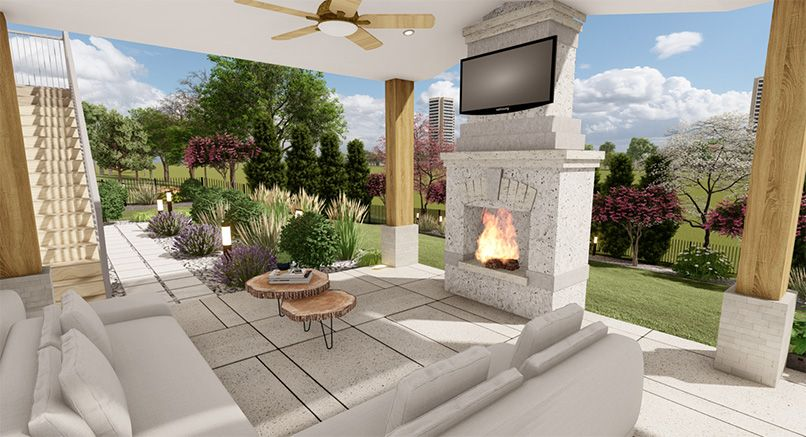
Your property doesn’t stop at your back door. Backyards, patios, and even tiny balconies are now being treated as direct extensions of our indoor living spaces.
Creating a comfortable outdoor zone allows your family to enjoy fresh air, entertain friends, and relax without ever leaving the house. Homeowners are investing heavily in sturdy outdoor sectional seating, weather-proof rugs, cozy fire pits, and string lighting to create a warm atmosphere after the sun goes down.
Even if you only have a small concrete patch to work with, you can completely transform it. Adding vertical planters, a couple of comfortable chairs, and a small bistro table can turn an ignored outdoor corner into your absolute favorite spot to drink your morning coffee.
The Rise of Smart Home Technology and Energy Efficiency
Technology is woven into almost every modern home improvement project. Smart home devices have become incredibly user-friendly, highly reliable, and affordable for the average household.
Integrating these technologies makes managing your home effortless:
- Smart Thermostats: These gadgets learn your daily schedule and automatically adjust temperatures, saving you a fortune on heating and cooling when you aren’t home.
- Smart Lighting Ecosystems: Dim the lights, change colors, or turn off forgotten bulbs in the kids’ rooms directly from your smartphone or using voice commands.
- Integrated Security: Video doorbells and wireless outdoor cameras give you total peace of mind by letting you monitor your property from anywhere in the world.
Alongside smart tech, general energy efficiency is a top priority for modern renovations. Upgrading to double-glazed windows, choosing LED bulbs, and replacing old appliances with eco-friendly models are updates that pay for themselves through long-term utility savings.
Multi-Functional Rooms: Designing for a Flexible Lifestyle
The way we use our homes is more fluid than ever before. A spare bedroom can no longer just sit empty waiting for occasional guests. It needs to work harder.
Homeowners are designing multi-functional rooms that adapt on the fly. A single space might need to serve as a quiet home office during the day, a homework station for kids in the afternoon, and a cozy guest bedroom on the weekend.
The secret to mastering this trend is flexible furniture and smart storage. Think about investing in a high-quality wall bed (Murphy bed) that folds away to open up floor space, or a desk that blends seamlessly into a living room bookshelf. Utilizing furniture with hidden storage compartments helps keep visual clutter out of sight, allowing your rooms to shift purposes effortlessly.
Finding the Balance: DIY Projects vs. Hiring the Pros
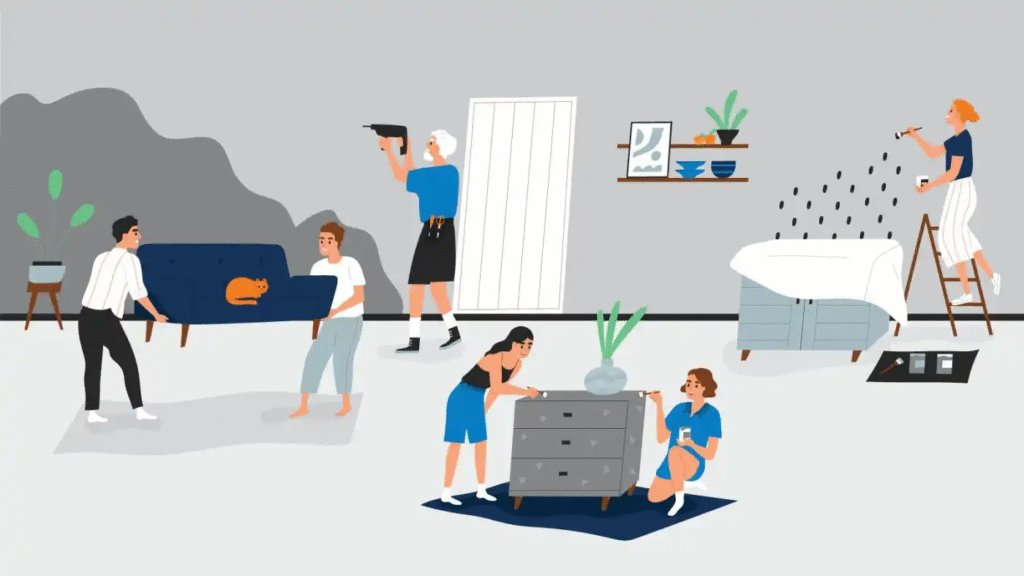
Taking the DIY (Do-It-Yourself) route is an excellent way to save money, learn valuable skills, and add a deeply personal touch to your living space. There is an incredible sense of pride that comes from looking at a beautiful part of your home and knowing you built it yourself.
However, knowing your limits is crucial for your safety and your wallet.
| Perfect for DIY | Call in a Professional |
| Painting walls and kitchen cabinets | Structural wall demolition (Knocking down walls) |
| Installing floating laminate flooring | Complex plumbing overhauls or moving main pipes |
| Upgrading cabinet hardware and light fixtures | Full electrical rewiring and panel upgrades |
| Basic garden landscaping and building raised beds | Roofing repairs and structural extensions |
Taking on a complex task without the right training can result in expensive mistakes that cost double to fix later on. Use DIY for cosmetic flair, and leave the heavy, hazardous work to licensed contractors.
FAQs
1.What home renovations give the best return on investment (ROI)?
Kitchen and bathroom renovations historically offer the highest return on investment. They are the primary rooms buyers look at when purchasing a house, so modernizing these spaces adds significant value to your property.
2.How can I update my home if I have a very limited budget?
You can make a massive impact with low-cost cosmetic fixes. A fresh coat of paint can completely transform a dark room. Upgrading old, dated light fixtures, replacing cabinet knobs, adding peel-and-stick backsplash tile, and clearing out clutter cost very little but create a major visual change.
3.How do I accurately estimate a home renovation budget?
Start by researching the exact costs of the materials you want to use. If you are hiring professionals, get at least three detailed quotes from different contractors. Always add a 15% to 20% “contingency fund” to your final budget to cover unexpected issues, like discovering hidden water damage behind a wall.
4.Why is energy efficiency such a big deal in 2026 renovations?
With utility costs fluctuating, energy-efficient upgrades are the best way to permanently lower your living expenses. Features like smart thermostats, solar panels, and high-quality insulation make your home much more comfortable to live in and are a massive selling point for future buyers.
5.Can I install smart home devices myself?
Yes, most consumer smart home tech—like video doorbells, smart light bulbs, and plug-in security cameras—is designed for incredibly easy DIY installation. However, if a device requires direct high-voltage wiring into your home’s main electrical box, you should always hire a certified electrician.