
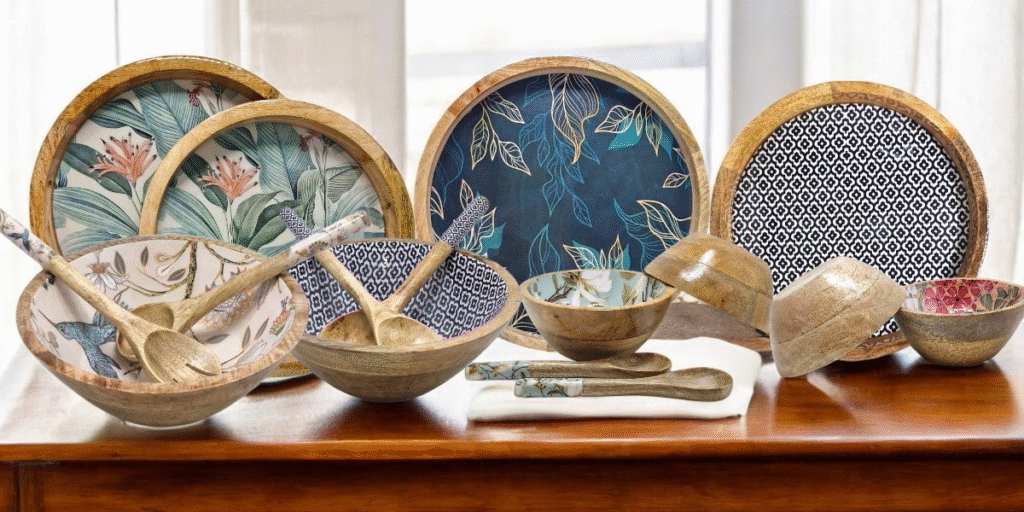
In a world dominated by mass production, fast manufacturing, and automated processes, handmade products have gained a level of appreciation that continues to grow year after year. In 2026, consumers are looking beyond price tags and convenience. They are becoming more interested in the stories behind the products they purchase, the people who create them, and the impact their buying decisions have on communities and the environment. As a result, handmade goods are more valuable than ever before.
From handcrafted jewelry and artisan home décor to handmade clothing, pottery, artwork, and personalized gifts, consumers are increasingly choosing products that offer uniqueness, authenticity, and meaning. Handmade items represent far more than physical objects. They reflect creativity, craftsmanship, culture, and human connection. In a marketplace filled with identical products manufactured on a large scale, handmade goods stand out because they offer something truly special.
The growing demand for handmade products is not simply a trend. It reflects changing consumer values and a desire for more meaningful purchasing experiences. Understanding why handmade products continue to gain value in 2026 helps explain the broader shift occurring within modern shopping habits.
The Growing Desire for Authenticity

One of the biggest reasons handmade products are becoming more valuable is the increasing demand for authenticity. Modern consumers are exposed to thousands of advertisements and countless products every day. While mass-produced items offer convenience, they often lack individuality and emotional connection.
Handmade products provide an alternative. Each item reflects the skill, effort, and creativity of the artisan who created it. Even when artisans produce multiple pieces using similar techniques, slight variations make each product unique. This uniqueness appeals to consumers who want items that feel personal and distinctive.
In 2026, authenticity has become a major purchasing factor. Shoppers want products that tell a story and represent genuine craftsmanship. Handmade goods satisfy this desire by offering a level of character that cannot be replicated through large-scale manufacturing.
The Human Touch Makes a Difference
Behind every handmade product is a person who invested time, knowledge, and passion into creating it. Unlike factory-produced items that move through automated production lines, handmade goods often involve hours or even days of careful work.
This human involvement adds value that goes beyond functionality. Consumers appreciate knowing that an artisan personally shaped, assembled, painted, carved, or designed the product they are purchasing. The connection between creator and customer creates a sense of appreciation that is often missing from mass-market shopping experiences.
Many people find comfort in supporting products that reflect genuine human effort. In an increasingly digital world, the human touch behind handmade items has become one of their most appealing qualities.
Handmade Products Offer Unique Designs
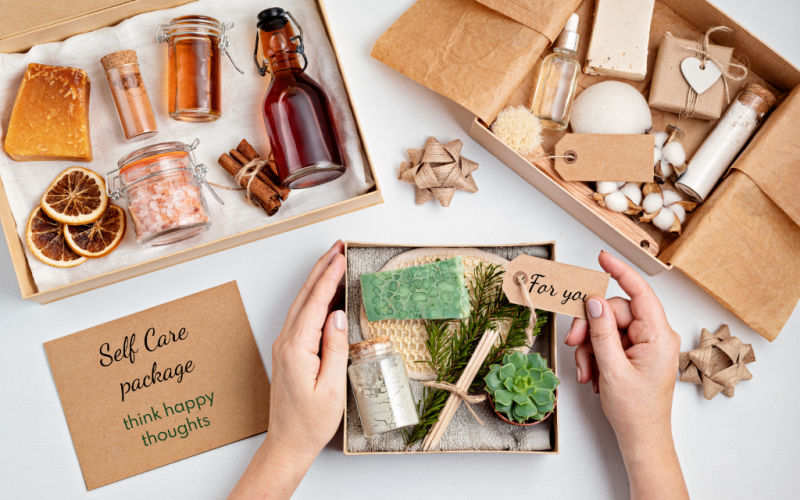
Mass-produced products are designed to appeal to the widest possible audience. While this approach creates consistency, it can also lead to a lack of originality. Handmade products, on the other hand, often showcase creative designs, cultural influences, and artistic expression.
Consumers are increasingly seeking products that help them express their individuality. Whether decorating a home, choosing jewelry, or selecting gifts, people want items that stand out and reflect their personal tastes.
Handmade goods provide opportunities to discover one-of-a-kind designs that cannot be found in large retail chains. This uniqueness contributes significantly to their growing value and popularity.
As personalization becomes more important in consumer culture, handmade products continue to attract buyers looking for distinctive alternatives.
Supporting Skilled Artisans and Small Businesses
Purchasing handmade products often means supporting independent artisans, family-owned businesses, and creative entrepreneurs. In many cases, these individuals rely on their craftsmanship as their primary source of income.
Consumers are becoming increasingly aware of the positive impact their purchases can have on local communities and artisan networks around the world. Rather than contributing solely to large corporations, shoppers appreciate the opportunity to support real people and help sustain traditional crafts.
This sense of purpose has become an important factor in modern purchasing decisions. Many buyers feel more connected to products when they know their money is helping skilled creators continue their work and preserve valuable artistic traditions.
The desire to support small businesses and independent makers has contributed significantly to the growing value of handmade goods.
The Rise of Conscious Consumerism
Consumer behavior has evolved considerably in recent years. More people are asking questions about where products come from, how they are made, and what impact they have on society and the environment.
This movement toward conscious consumerism has encouraged shoppers to seek products that align with their values. Handmade items often appeal to these consumers because they are frequently produced in smaller quantities, involve less industrial processing, and emphasize quality over volume.

Many handmade businesses focus on ethical sourcing, responsible production practices, and sustainable materials. As environmental awareness continues to increase in 2026, consumers are showing greater interest in products that support responsible consumption.
The connection between handmade products and conscious shopping has helped elevate their perceived value across many industries.
Quality Often Takes Priority Over Quantity
One of the defining characteristics of handmade products is the attention given to quality. Artisans often prioritize craftsmanship and durability over mass production targets. This focus on quality results in products that are carefully constructed and designed to last.
Consumers are increasingly moving away from disposable purchasing habits. Instead of frequently replacing low-quality items, many people prefer investing in products that offer longevity and lasting value.
Handmade goods often meet this expectation by emphasizing superior materials, thoughtful design, and detailed craftsmanship. Buyers recognize that a higher-quality product can provide better long-term satisfaction and reduce waste over time.
As consumers become more selective about their purchases, quality continues to play a central role in the growing appreciation of handmade products.
Handmade Products Preserve Cultural Heritage
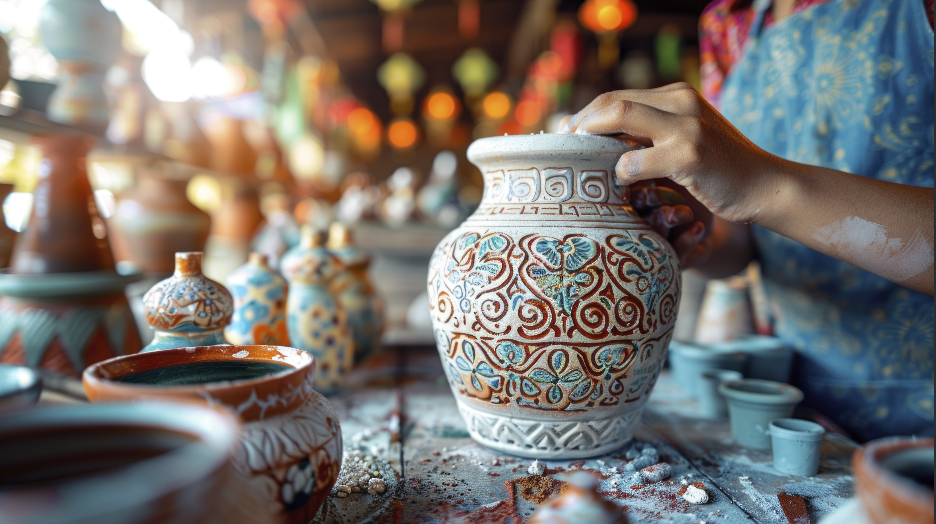
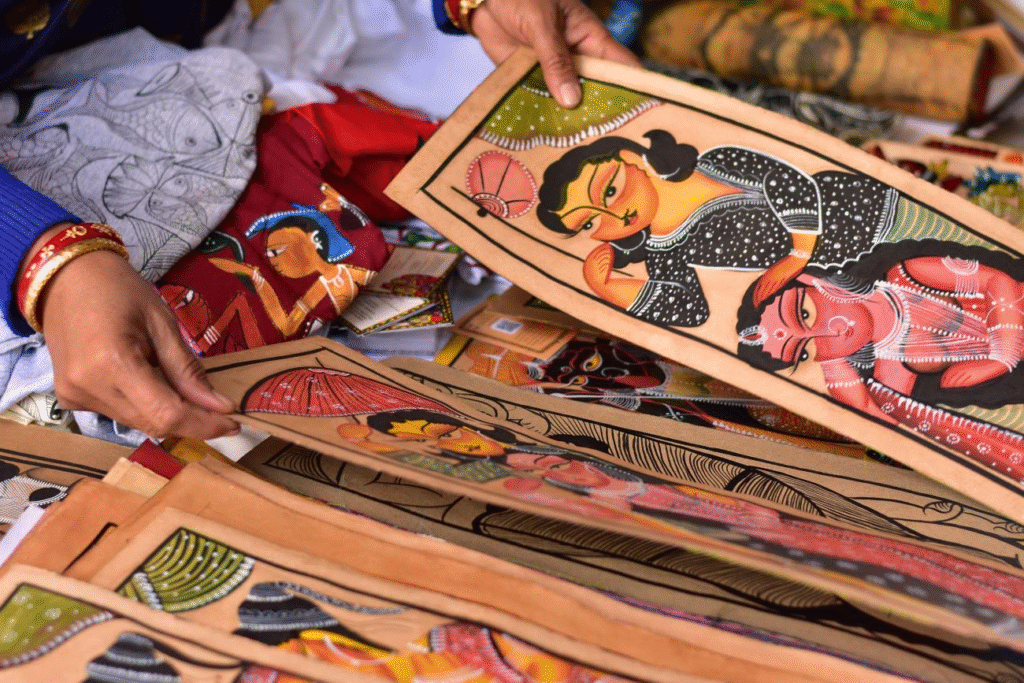
Many handmade products reflect cultural traditions that have been passed down through generations. Traditional weaving, pottery, woodworking, embroidery, metalworking, and other crafts often carry historical and cultural significance.
When consumers purchase these products, they are not simply acquiring an object. They are supporting the continuation of artistic techniques and cultural practices that might otherwise be lost.
In 2026, there is growing appreciation for products that celebrate cultural diversity and craftsmanship. Consumers are increasingly interested in learning about the origins of the items they buy and the traditions behind their creation.
This cultural connection adds depth and meaning to handmade products, making them more valuable than standard mass-produced alternatives.
Handmade Gifts Feel More Meaningful
Gift-giving has always been about expressing appreciation, love, and thoughtfulness. Handmade products naturally align with these values because they often feel more personal and unique than conventional gifts.
Recipients frequently appreciate the effort and care associated with handmade items. Whether it is handcrafted jewelry, personalized artwork, artisanal home décor, or handmade accessories, these gifts often carry emotional significance that mass-produced products may lack.
As people seek more meaningful ways to celebrate special occasions, handmade gifts continue to gain popularity. The emotional value associated with these products contributes significantly to their overall appeal.
In a world where many items can be purchased instantly online, thoughtful handmade gifts stand out as memorable expressions of care and intention.
Sustainability and Environmental Responsibility

Environmental concerns continue to influence consumer behavior in 2026. Many shoppers are actively looking for ways to reduce waste and make more sustainable purchasing choices.
Handmade products often align with these goals because they are typically produced on a smaller scale and may involve fewer industrial processes. Many artisans prioritize sustainable materials, responsible sourcing, and environmentally conscious production methods.
Consumers increasingly recognize that purchasing fewer, higher-quality items can contribute to more sustainable lifestyles. Handmade products support this approach by encouraging long-term use rather than disposable consumption.
The growing emphasis on sustainability has further strengthened the value of artisan-made goods in modern marketplaces.
The Emotional Connection of Handmade Products
One of the most powerful aspects of handmade products is the emotional connection they create. Unlike mass-produced goods that often feel interchangeable, handmade items frequently carry personal stories and meaningful experiences.
Consumers enjoy learning about the artisans who created their purchases, the inspiration behind the designs, and the techniques used during production. These stories add richness and authenticity to the ownership experience.
This emotional connection transforms products from simple possessions into cherished items that hold personal significance. In an age where consumers increasingly seek meaningful experiences, this emotional value plays an important role in the popularity of handmade goods.
Technology Is Expanding Opportunities for Artisans
While handmade products celebrate traditional craftsmanship, modern technology has helped artisans reach larger audiences than ever before. Online marketplaces, social media platforms, and digital marketing tools allow creators to connect directly with customers around the world.
This increased visibility has contributed to greater appreciation for handmade goods. Consumers can now discover unique products from artisans located in different countries and cultures without leaving their homes.
Technology has not diminished the value of handmade craftsmanship. Instead, it has amplified awareness and created new opportunities for artisans to share their work with global audiences.
As digital commerce continues to evolve, the market for handmade products is expected to grow even further.
The Future of Handmade Products
The future looks exceptionally bright for handmade goods. Consumer preferences continue to shift toward authenticity, sustainability, quality, and meaningful experiences. These values align perfectly with the strengths of artisan-made products.
As awareness grows regarding ethical shopping, environmental responsibility, and cultural preservation, handmade products are likely to become even more valued in the years ahead. Consumers are increasingly recognizing that their purchasing decisions can support creativity, craftsmanship, and positive social impact.
Handmade products offer something that mass production cannot replicate: individuality, human connection, and genuine artistry. These qualities ensure their continued relevance in an increasingly automated world.
Frequently Asked Questions
1.Why are handmade products more expensive than mass-produced items?
Handmade products often require significant time, skill, and attention to detail. Artisans typically create items in smaller quantities and focus on quality craftsmanship, which can result in higher production costs.
2.Are handmade products better quality?
Many handmade products emphasize quality materials and careful craftsmanship. While quality can vary, artisan-made goods are often designed with durability and attention to detail in mind.
3.Why do consumers prefer handmade products?
Consumers appreciate the uniqueness, authenticity, and personal connection associated with handmade items. Many also value supporting artisans and small businesses.
4.How do handmade products support sustainability?
Handmade products are often produced in smaller quantities and may involve environmentally responsible materials and practices. They can encourage longer product lifecycles and reduce waste.
5.What makes handmade gifts special?
Handmade gifts often feel more personal and thoughtful because they reflect creativity, craftsmanship, and individuality. They frequently carry greater emotional significance than mass-produced alternatives.