
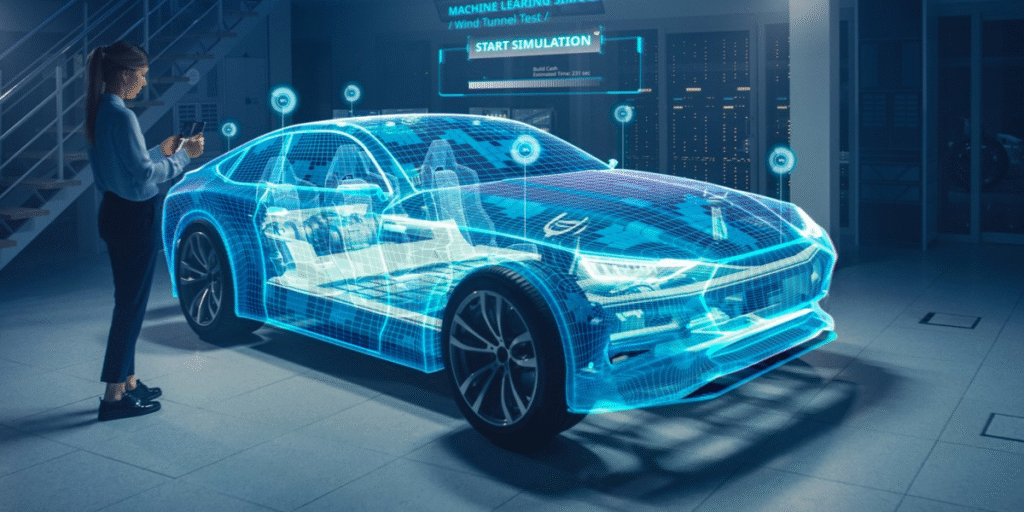
The automotive world is constantly evolving, bringing exciting innovations, smarter technology, and better driving experiences every year. For many people, a car is more than just a mode of transportation. It represents freedom, convenience, personal style, and even passion. Whether someone owns their first vehicle, enjoys learning about modern automotive technology, or simply loves cars as a hobby, understanding the automotive industry can make driving safer, more enjoyable, and more cost-effective.
Modern vehicles are far more advanced than they were just a decade ago. Today’s cars come equipped with smart safety systems, digital dashboards, fuel-efficient engines, advanced entertainment systems, and even semi-autonomous driving features. Alongside these innovations, car owners also face important responsibilities such as maintenance, insurance, fuel efficiency, and long-term vehicle care.
The automotive industry itself is also changing rapidly with the rise of electric vehicles, hybrid technology, sustainability efforts, and connected car systems. As technology continues shaping the future of transportation, car owners and enthusiasts are becoming more interested in learning how to maintain, upgrade, and better understand their vehicles.
This ultimate automotive guide explores everything from car maintenance and driving habits to modern automotive trends and future innovations. Whether you are a daily commuter, a road trip lover, or a dedicated car enthusiast, understanding the automotive world can help you make smarter decisions and enjoy the driving experience even more.
The Importance of Regular Car Maintenance
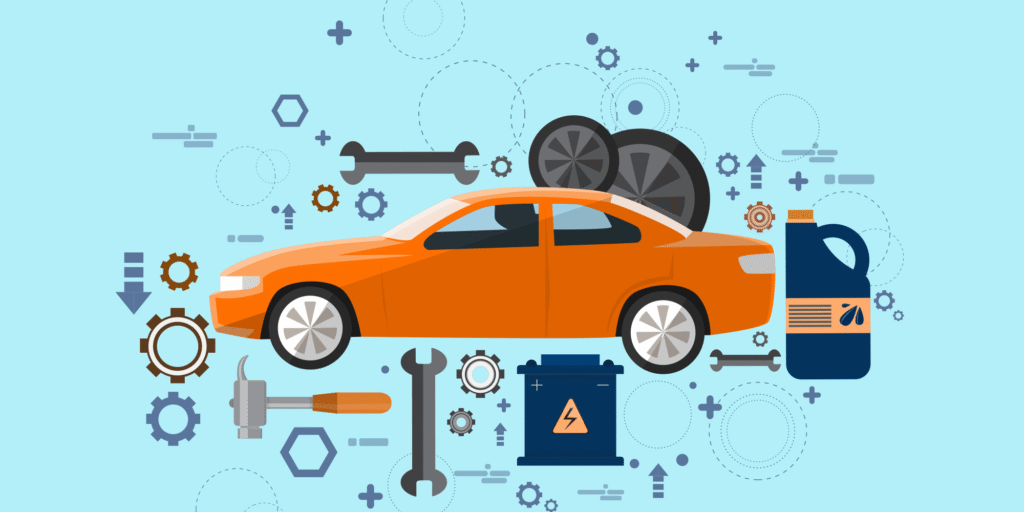
One of the most important parts of car ownership is regular maintenance. A well-maintained vehicle not only performs better but also lasts longer and remains safer on the road. Many major car problems begin as small issues that could have been prevented through routine inspections and servicing.
Engine oil changes are among the most basic yet essential maintenance tasks. Clean oil helps the engine run smoothly and reduces wear on internal components. Ignoring oil changes can lead to overheating, poor performance, and expensive repairs.
Tire maintenance is equally important. Proper tire pressure improves fuel efficiency, handling, and safety. Worn-out tires can increase braking distance and reduce road grip, especially during rain or poor weather conditions. Rotating tires regularly also helps extend their lifespan.
Brake systems should also be checked frequently. Strange noises, vibrations, or delayed stopping response may indicate brake issues that require immediate attention. Reliable brakes are critical for road safety and should never be ignored.
Battery health, coolant levels, transmission fluid, air filters, and suspension systems are other important parts of regular vehicle maintenance. Staying proactive helps reduce unexpected breakdowns and improves overall driving reliability.
Understanding Modern Automotive Technology
Modern vehicles are packed with advanced technology designed to improve safety, comfort, and driving efficiency. Understanding these systems helps drivers use their vehicles more effectively and appreciate how far automotive engineering has evolved.
Many cars today include driver-assistance features such as lane departure warnings, adaptive cruise control, automatic emergency braking, blind-spot monitoring, and parking sensors. These technologies help reduce accidents and make driving more convenient.
Infotainment systems have also become major features in modern vehicles. Touchscreen displays, smartphone integration, voice commands, navigation systems, and wireless connectivity allow drivers to stay connected while on the road.
Electric and hybrid vehicles introduce even more advanced systems, including regenerative braking, battery management software, and intelligent energy monitoring tools. These technologies help improve fuel efficiency and reduce environmental impact.
As automotive technology continues evolving, future vehicles are expected to become even smarter with AI-powered systems, connected infrastructure, and advanced autonomous driving capabilities.
Fuel Efficiency and Saving Money on Driving
Fuel costs are a major concern for many drivers, especially as fuel prices continue fluctuating globally. Fortunately, driving habits and vehicle maintenance can significantly impact fuel efficiency.
Smooth driving techniques help reduce unnecessary fuel consumption. Rapid acceleration, aggressive braking, and speeding often waste fuel and place extra strain on the vehicle. Maintaining steady speeds and driving calmly can improve efficiency noticeably.
Keeping tires properly inflated also helps reduce fuel usage. Underinflated tires create more rolling resistance, forcing the engine to work harder. Regular maintenance ensures the vehicle operates efficiently.
Reducing unnecessary weight inside the car can also improve mileage. Carrying heavy items for long periods increases fuel consumption. Roof racks and external accessories may also create additional wind resistance.
Hybrid and electric vehicles are becoming increasingly popular because they offer lower running costs and reduced fuel dependency. As charging infrastructure improves, more drivers are considering alternative energy vehicles for long-term savings.
Fuel-efficient driving not only saves money but also reduces environmental impact, making it beneficial both financially and environmentally.
The Rise of Electric and Hybrid Vehicles
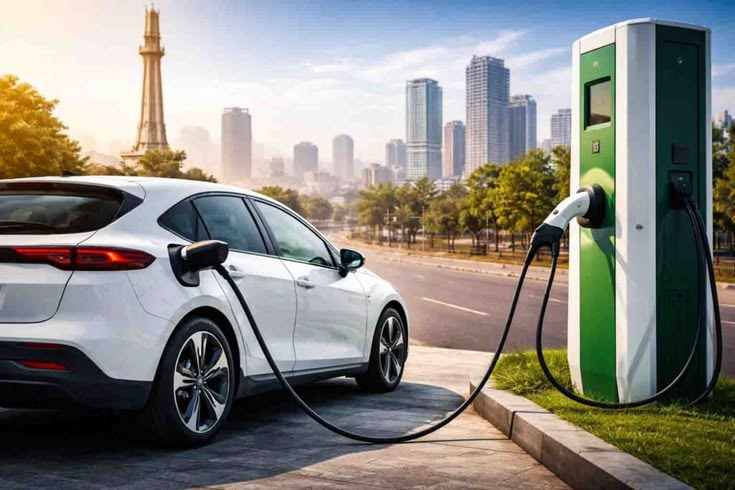
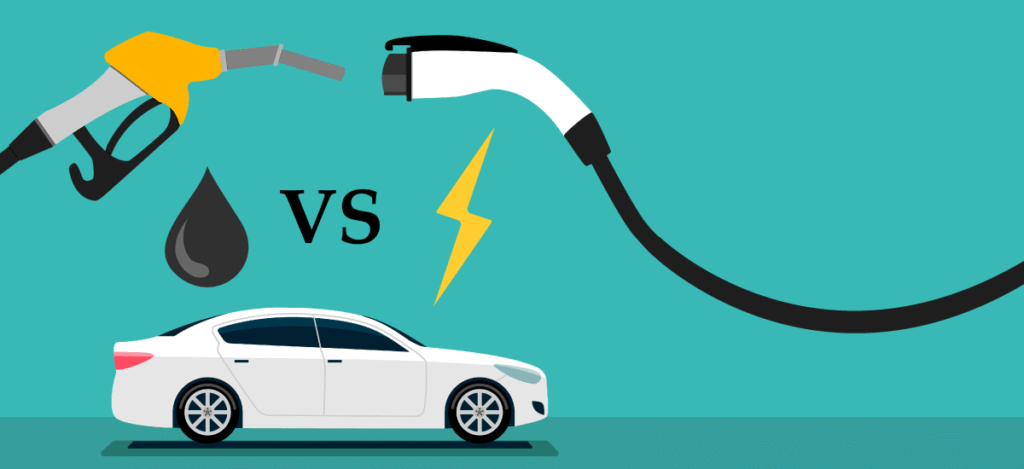
The automotive industry is currently experiencing one of the biggest transformations in its history with the rise of electric and hybrid vehicles. Concerns about fuel prices, environmental sustainability, and carbon emissions are encouraging governments and consumers to explore cleaner transportation solutions.
Electric vehicles, commonly called EVs, run entirely on battery power and produce no direct exhaust emissions. Hybrid vehicles combine traditional fuel engines with electric motors to improve fuel efficiency and reduce emissions.
Many major automotive manufacturers are investing heavily in electric vehicle development. Improved battery technology, longer driving ranges, and faster charging systems are making EVs more practical for everyday use.
Governments in many countries are also supporting electric mobility through tax benefits, subsidies, and infrastructure investments. Charging stations are becoming more common in cities, shopping centers, workplaces, and highways.
Although electric vehicles still face challenges such as charging availability and higher upfront costs, their popularity continues growing rapidly. Many experts believe electric mobility will dominate the future automotive market.
Car Safety and Responsible Driving
Road safety remains one of the most important aspects of driving. No matter how advanced a vehicle may be, responsible driving habits are essential for protecting drivers, passengers, and pedestrians.
Distracted driving has become a growing issue due to smartphone usage and digital distractions. Even a few seconds of lost attention can lead to serious accidents. Drivers should always remain focused and avoid using mobile devices while driving.
Seat belts remain one of the most effective safety features ever created. Wearing seat belts significantly reduces injury risks during accidents and should always be a basic driving habit.
Speed limits exist for a reason, and reckless driving increases accident risks dramatically. Defensive driving techniques, maintaining safe distances, and staying alert to road conditions help improve safety.
Weather conditions also affect driving performance. Rain, fog, snow, and extreme heat require additional caution and vehicle preparation. Understanding how to adapt driving behavior during difficult conditions is extremely important.
Modern safety technologies assist drivers, but they should never replace responsible human judgment behind the wheel.
Automotive Customization and Personal Style
For many car enthusiasts, vehicles are more than practical machines. Cars often represent personality, creativity, and lifestyle. Automotive customization has become a massive global culture where owners personalize vehicles according to their preferences.
Some people focus on performance upgrades such as improved exhaust systems, suspension modifications, turbochargers, or engine tuning. Others prefer visual customization including custom paint jobs, alloy wheels, lighting upgrades, body kits, or interior modifications.
Luxury customization is also popular, especially among premium vehicle owners who want exclusive designs and enhanced comfort features.
However, customization should always be done responsibly and legally. Certain modifications may affect vehicle safety, insurance policies, emissions compliance, or road legality. Professional installation and proper research are essential before making major modifications.
Automotive culture continues growing through car shows, online communities, motorsports events, and social media platforms where enthusiasts share ideas, projects, and inspiration.
Understanding Car Insurance and Ownership Costs

Owning a vehicle involves more than purchasing the car itself. Insurance, maintenance, fuel, registration, taxes, and repairs all contribute to long-term ownership costs.
Car insurance is especially important because it provides financial protection in case of accidents, theft, or damage. Different insurance plans offer varying levels of coverage depending on the driver’s needs and budget.
Insurance costs often depend on factors such as vehicle type, driving history, location, and driver age. Safer driving records generally result in lower premiums over time.
Depreciation is another important financial factor. Most vehicles lose value gradually as they age. Some brands and models maintain resale value better than others due to reliability, demand, and reputation.
Before purchasing a vehicle, buyers should consider not only the purchase price but also long-term operating expenses. A cheaper car may sometimes become more expensive over time if maintenance and fuel costs are high.
Understanding ownership costs helps drivers make smarter financial decisions and avoid unexpected expenses.
The Growing Role of Smart Cars and Connectivity
Connected vehicles are becoming increasingly common in the automotive world. Smart cars use internet connectivity and digital systems to improve navigation, entertainment, maintenance, and communication.
Many modern cars can now connect directly to smartphones, allowing drivers to control music, navigation, calls, and even climate settings through mobile apps. Some vehicles can also send maintenance alerts or remote diagnostics to owners.
Connected technology improves convenience and efficiency, but it also introduces cybersecurity concerns. As vehicles become more digital, protecting automotive software systems from hacking and data breaches becomes increasingly important.
Future connected vehicles may communicate with traffic systems, road infrastructure, and even other cars to improve safety and reduce congestion. These advancements could significantly transform urban transportation systems.
The automotive industry is moving toward a future where vehicles are not just transportation tools but intelligent digital platforms.
Autonomous Driving and the Future of Transportation
Self-driving technology is one of the most fascinating developments in modern automotive innovation. Autonomous vehicles use cameras, sensors, radar systems, and artificial intelligence to navigate roads with minimal human input.
Although fully autonomous cars are still under development in many regions, semi-autonomous features are already available in modern vehicles. Systems such as automatic lane keeping, adaptive cruise control, and self-parking technology represent early steps toward autonomous transportation.
The future potential of self-driving vehicles is enormous. Autonomous technology could improve road safety, reduce traffic congestion, and increase mobility for elderly or disabled individuals.
However, challenges remain regarding regulations, public trust, cybersecurity, ethical concerns, and infrastructure adaptation. Governments and manufacturers continue testing and refining these technologies before widespread adoption becomes possible.
The future automotive industry will likely involve a combination of human-driven and autonomous vehicles working together within smarter transportation systems.
The Emotional Connection Between People and Cars


Cars often hold emotional significance beyond transportation. Many people associate vehicles with independence, achievement, memories, family experiences, or personal milestones.
A first car can represent freedom and adulthood. Road trips create unforgettable memories with friends and family. Classic cars may hold nostalgic value connected to past generations or cultural history.
Car enthusiasts often develop deep appreciation for automotive design, engineering, and performance. Motorsports, vintage collections, and automotive restoration projects reflect the emotional passion many people feel toward vehicles.
This emotional connection is one reason the automotive industry remains so influential globally. Cars are deeply integrated into modern lifestyles, culture, entertainment, and personal identity.
FAQs
1.Why is regular car maintenance important?
Regular maintenance helps improve vehicle performance, safety, reliability, and lifespan while reducing the risk of expensive repairs.
2.What are the benefits of electric vehicles?
Electric vehicles produce lower emissions, reduce fuel costs, offer quieter driving experiences, and support environmental sustainability.
3.How can drivers improve fuel efficiency?
Drivers can improve fuel efficiency by maintaining proper tire pressure, driving smoothly, reducing unnecessary weight, and servicing the vehicle regularly.
4.What is the difference between hybrid and electric cars?
Hybrid cars use both fuel engines and electric motors, while electric vehicles run entirely on battery power.
5.Why is car insurance necessary?
Car insurance provides financial protection against accidents, theft, damage, and legal liabilities related to vehicle ownership.