
The automotive industry is entering one of the most exciting periods in its history. Technology is evolving rapidly, consumer expectations are changing, and the future of transportation is being reshaped by innovation like never before. In 2026, the automotive world is no longer just about horsepower, sleek designs, and fuel efficiency. It has become a space driven by intelligence, sustainability, connectivity, and smarter mobility solutions.
Cars today are becoming more than just vehicles that take us from one place to another. They are transforming into advanced machines equipped with intelligent systems, eco-friendly technology, enhanced safety features, and personalized digital experiences. Automakers across the globe are racing to introduce innovations that not only improve driving performance but also redefine the relationship between people and their vehicles.
Whether you are a car enthusiast, a first-time buyer, or simply someone curious about where the future of transportation is headed, understanding the latest automotive trends is essential. These trends are shaping everything from vehicle design and performance to how cars are powered and connected.
Let’s explore the top automotive trends you need to know in 2026 and how they are transforming the future of driving.
The Rise of Electric Vehicles Continues to Accelerate
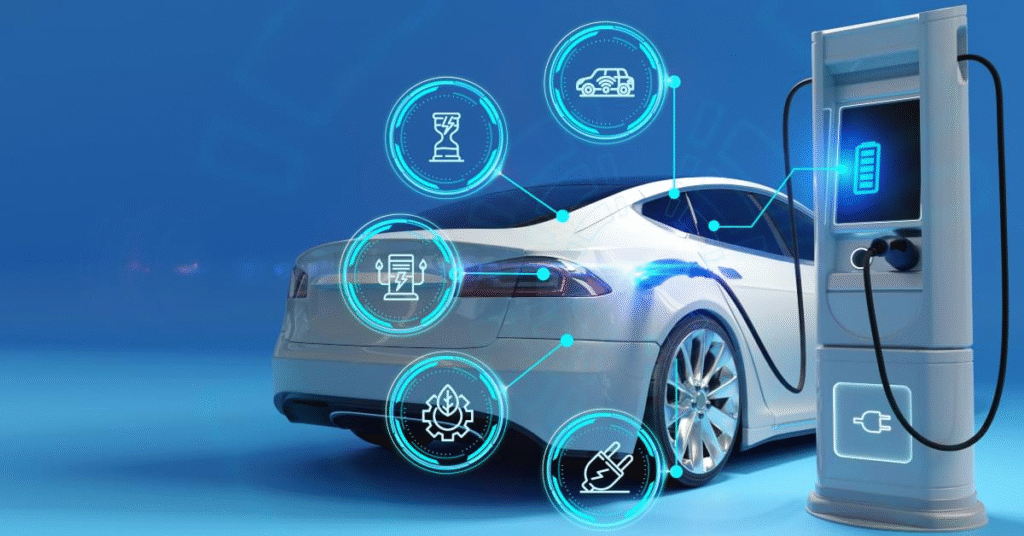
One of the most significant automotive trends in 2026 is the continued growth of electric vehicles, often known as EVs.
Electric mobility is no longer considered a niche segment. It has become a major force within the global automotive market.
More consumers are switching to electric vehicles because of rising fuel costs, environmental awareness, and significant advancements in EV technology.
Automakers are responding by expanding their electric vehicle lineups with options that suit different budgets and lifestyles.
What makes electric vehicles more attractive in 2026 is their improved battery range and faster charging capabilities.
Many modern EVs now offer extended driving distances on a single charge, reducing range anxiety for drivers.
Charging infrastructure is also improving rapidly, making long-distance travel far more convenient.
This trend signals a major shift toward cleaner and more sustainable transportation.
Advanced Driver Assistance Systems Are Becoming Standard
Safety has always been a priority in the automotive world, but in 2026, vehicles are smarter and more protective than ever before.
Advanced Driver Assistance Systems, commonly known as ADAS, are becoming standard features in many vehicles.
These systems include technologies such as adaptive cruise control, lane-keeping assistance, automatic emergency braking, blind-spot monitoring, and collision avoidance systems.
These features use sensors, cameras, and artificial intelligence to monitor road conditions and assist drivers in real time.
The goal is to reduce accidents, improve driver confidence, and create safer roads.
What was once available only in premium luxury cars is now becoming accessible in more affordable models.
This democratization of safety technology is one of the most important trends in modern automotive development.
Autonomous Driving Technology Is Moving Forward
Self-driving technology continues to evolve in 2026.
While fully autonomous vehicles are not yet mainstream, significant progress is being made toward greater vehicle automation.
Many vehicles now offer semi-autonomous driving features that can handle certain driving tasks under driver supervision.
These systems can assist with steering, braking, acceleration, and highway lane management.
Artificial intelligence and machine learning are playing major roles in advancing autonomous capabilities.
Automotive companies are investing heavily in testing and refining self-driving systems to improve reliability and safety.
Although complete autonomy may still take time, the steady progress in this field is reshaping the future of mobility.
The idea of cars that can navigate with minimal human input is becoming increasingly realistic.
Connected Cars Are Creating Smarter Driving Experiences
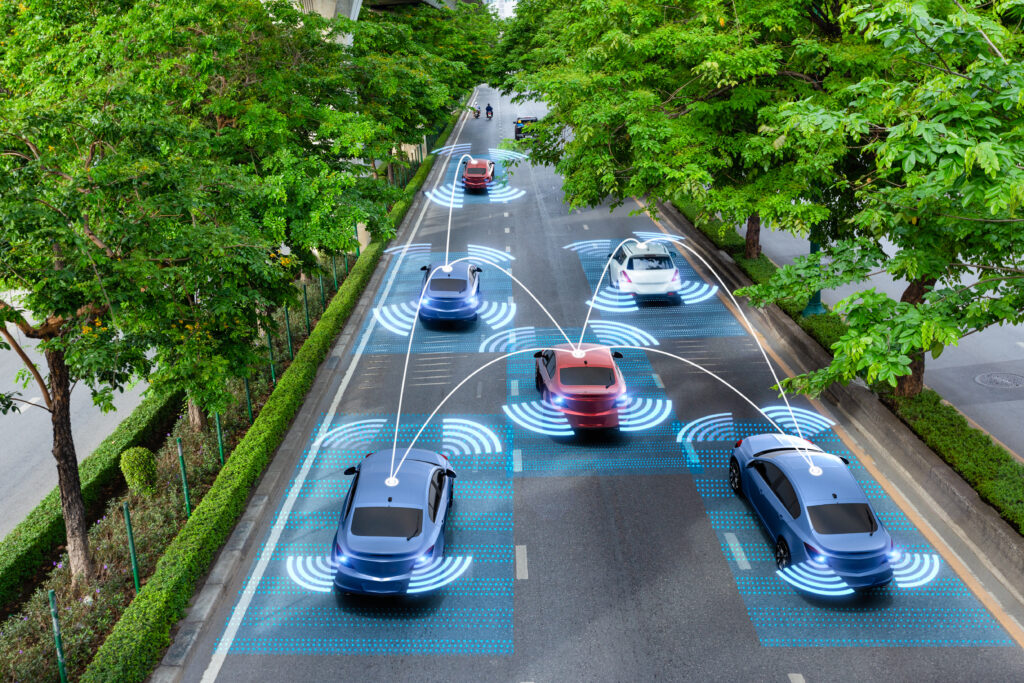
Connectivity has become one of the defining features of modern vehicles.
Cars in 2026 are more digitally connected than ever before.
Connected vehicles can communicate with smartphones, cloud services, traffic systems, and even other vehicles.
This creates a more seamless and intelligent driving experience.
Features such as real-time navigation updates, remote diagnostics, software updates, voice assistants, and smart entertainment integration are becoming standard.
Drivers can now monitor vehicle health, lock or unlock doors remotely, and even pre-condition cabin temperature using mobile apps.
Connectivity is making cars feel more personalized and convenient.
It also lays the foundation for future smart transportation ecosystems.
Artificial Intelligence Is Transforming Vehicle Intelligence
Artificial intelligence is no longer limited to smartphones and virtual assistants.
It is now deeply integrated into the automotive industry.
AI powers many of the intelligent systems found in modern vehicles.
From predictive maintenance alerts to driver behavior analysis, AI helps vehicles become smarter and more responsive.
Some systems can learn driving habits and adjust performance settings for comfort and efficiency.
AI is also enhancing voice control capabilities, allowing drivers to interact naturally with their vehicles.
As AI continues to advance, cars are becoming more intuitive and adaptive.
This trend is making driving safer, more efficient, and increasingly personalized.
Sustainable Manufacturing Is Gaining Momentum
Sustainability in the automotive industry extends beyond electric vehicles.
In 2026, automakers are focusing on greener manufacturing processes and sustainable materials.
Many manufacturers are reducing carbon emissions in production facilities and adopting renewable energy sources.
Interior materials made from recycled plastics, plant-based fibers, and eco-friendly textiles are becoming more common.
These innovations help reduce environmental impact while maintaining quality and durability.
Consumers are becoming more conscious of how products are made, and automakers are responding by prioritizing responsible production practices.
This shift reflects a broader commitment to environmental sustainability across the entire automotive lifecycle.
Over-the-Air Software Updates Are Changing Ownership

Software is becoming just as important as hardware in modern vehicles.
One of the most convenient automotive trends in 2026 is the widespread use of over-the-air software updates.
These updates allow automakers to improve vehicle performance, fix bugs, enhance features, and add new capabilities remotely.
Drivers no longer need to visit dealerships for many software-related improvements.
This technology keeps vehicles current and improves ownership convenience.
It also extends the lifespan of digital systems by allowing continuous enhancements.
Cars are increasingly functioning like smart devices that evolve over time.
Subscription-Based Features Are Emerging
The automotive industry is experimenting with new ownership models.
Subscription-based features are becoming more common in 2026.
Some automakers now offer optional digital features through monthly or yearly subscriptions.
These may include enhanced navigation tools, premium entertainment services, advanced driving modes, or comfort upgrades.
While this trend remains controversial among some consumers, it reflects a growing shift toward flexible digital services.
It allows drivers to customize their vehicle experience according to changing needs.
The success of this model will depend on how automakers balance convenience with value.
Vehicle Design Is Becoming More Futuristic
Automotive design is evolving rapidly.
In 2026, vehicles are embracing cleaner lines, aerodynamic shapes, and futuristic aesthetics.
Designers are focusing on maximizing efficiency while creating visually striking vehicles.
Electric platforms allow for greater design flexibility because they require fewer mechanical constraints than traditional internal combustion engines.
This has led to more spacious interiors, minimalist dashboards, and innovative cabin layouts.
Digital displays, ambient lighting, and advanced materials are enhancing interior experiences.
The result is vehicles that feel both modern and luxurious.
Smart Charging Solutions Are Improving EV Convenience
As electric vehicle adoption grows, charging technology is evolving quickly.
Smart charging solutions are making EV ownership easier and more practical.
Home charging systems now offer faster charging speeds and better energy management.
Some systems can automatically schedule charging during off-peak electricity hours to reduce costs.
Public charging networks are expanding, and ultra-fast chargers are becoming more widely available.
Wireless charging technology is also being explored.
These improvements are helping remove barriers to electric vehicle adoption.
Convenience is becoming a major focus in EV infrastructure development.
Personalization Is Becoming a Key Selling Point

Modern drivers want vehicles that reflect their preferences and lifestyle.
Automakers are responding by offering greater personalization options.
This includes customizable digital interfaces, driver profiles, adaptive seating settings, ambient lighting themes, and tailored performance modes.
Cars are becoming more user-centric.
Personalization creates a stronger emotional connection between drivers and their vehicles.
It transforms ownership into a more engaging and satisfying experience.
The Shift Toward Shared Mobility
Transportation habits are changing.
In urban areas especially, shared mobility solutions are becoming increasingly popular.
Car-sharing, ride-hailing, and subscription-based access to vehicles are growing alternatives to traditional ownership.
This trend reflects changing consumer priorities around flexibility, convenience, and cost.
Automakers are adapting by exploring mobility services and fleet-based solutions.
The future of automotive transportation may involve a mix of personal ownership and shared access models.
FAQs
1.What is the biggest automotive trend in 2026?
The continued rise of electric vehicles is one of the biggest automotive trends due to improved battery technology and expanded charging infrastructure.
2.Are self-driving cars fully available in 2026?
Fully autonomous vehicles are still in development, but many cars now offer advanced semi-autonomous driving features.
3.Why are connected cars becoming popular?
Connected cars offer convenience, real-time updates, remote access, and smarter digital integration for drivers.
4.Are electric vehicles practical for everyday use?
Yes, modern electric vehicles offer improved range, faster charging, and growing charging network support.
5.What are over-the-air updates in cars?
These are remote software updates that improve vehicle systems without requiring a dealership visit.