
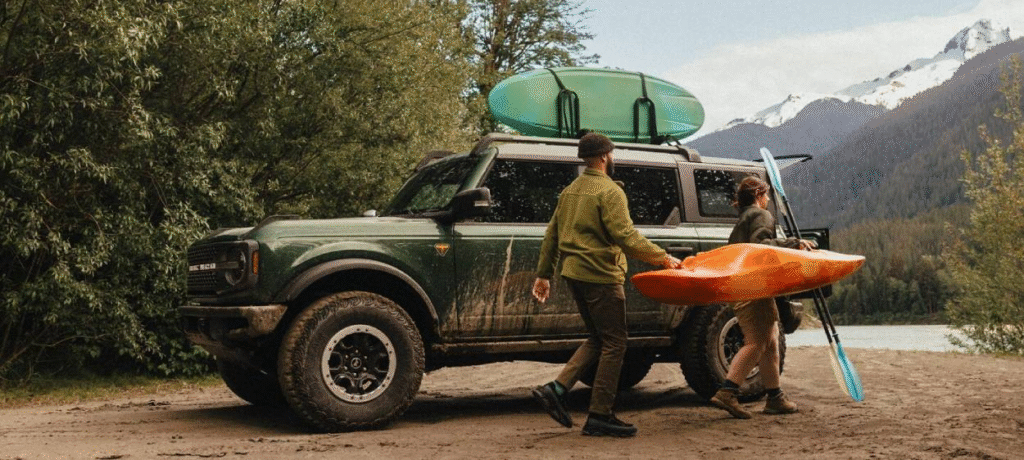
Buying a new vehicle is a major commitment, and choosing a purpose-built 4×4 requires looking past retro styling and high-energy marketing campaigns. The modern Ford Bronco stands out immediately in a sea of generic, rounded crossovers. With its upright boxy proportions, removable roof and doors, standard four-wheel drive, and heavy focus on trail capability, it has a distinct identity built around open-air driving and outdoor adventure.
However, behind its eye-catching design lies a specialized machine engineered with clear real-world trade-offs. While it delivers exceptional off-road performance, living with a trail-ready SUV every single day brings practical considerations around fuel economy, highway cabin noise, interior room, and ongoing ownership costs.
Whether you’re shopping for a dedicated weekend trail crawler or considering a Bronco as your primary everyday driver, this comprehensive guide breaks down its engineering, interior comfort, engine performance, off-road capability, and long-term daily usability.
What Makes the Ford Bronco Unique?
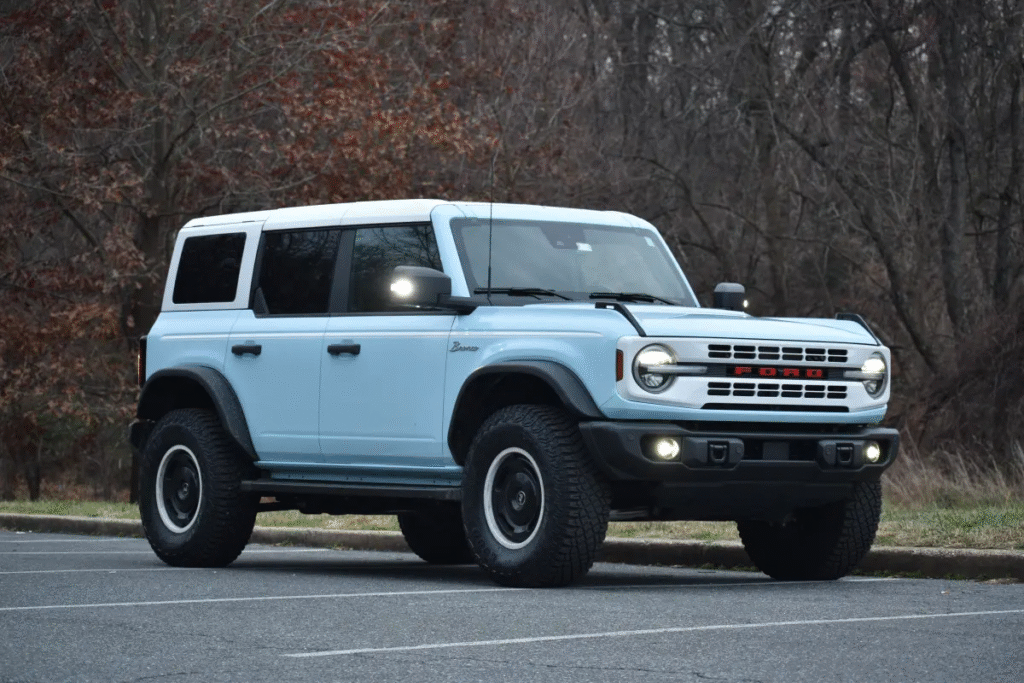
Unlike conventional crossover SUVs that share platform architecture with passenger cars to prioritize smooth city commuting, the Ford Bronco was engineered from the frame up to compete directly with classic body-on-frame off-roaders. Ford offers the Bronco across multiple trim levels, engine choices, and modular body options.
Key Exterior and Design Highlights
- Modular Open-Air Freedom: Both hardtop and soft-top configurations feature removable roof panels. Additionally, the side doors can be unbolted and removed entirely, featuring frameless glass that allows them to store neatly in protective bags inside the cargo area on 4-door models.
- Retro-Modern Aesthetic: Iconic circular LED headlights, flat body panels, high wheel arches, and an upright windshield pay direct homage to the original 1966 Bronco while offering modern crash safety standards.
- Purpose-Built Off-Road Exterior: Standard front tow hooks, heavy-duty modular steel bumpers, available full-underbody steel bash plates, and ultra-short front/rear overhangs maximize approach and departure angles over steep trail obstacles.
While open-air driving and aggressive styling are massive selling points, they demand an honest look at your daily routine. If 95% of your driving consists of bumper-to-bumper city commuting or long highway trips, you may rarely find yourself pulling off the doors or roof.
Interior Comfort and Everyday Usability
Step inside the Bronco, and you’ll find a cabin engineered primarily for durability, quick cleanup, and functional utility rather than delicate luxury.
| Interior Feature | Practical Function & Daily Benefit |
| Commanding Seating Position | Upright seating offers exceptional forward trail visibility over the hood trail sights. |
| Rubberized Flooring | Available drain plugs allow you to hose out dirt, sand, and mud after outdoor trips. |
| Marine-Grade Vinyl Upholstery | Water-resistant seats resist moisture, dust, and mildew during open-top drives. |
| Overhead Auxiliary Switches | Pre-wired roof switches eliminate the hassle of drilling holes for aftermarket lights or winches. |
Higher trim levels introduce leather-trimmed seats, heated front seats, power adjustments, and wireless charging pads. However, the Bronco’s body-on-frame truck roots and vertical glass mean ergonomics feel more like an off-road truck than a soft family crossover. Wind noise at highway speeds (above 65 mph) is noticeably higher than in sealed crossovers—especially if you opt for a soft top.
Engine Options and Transmission Choices
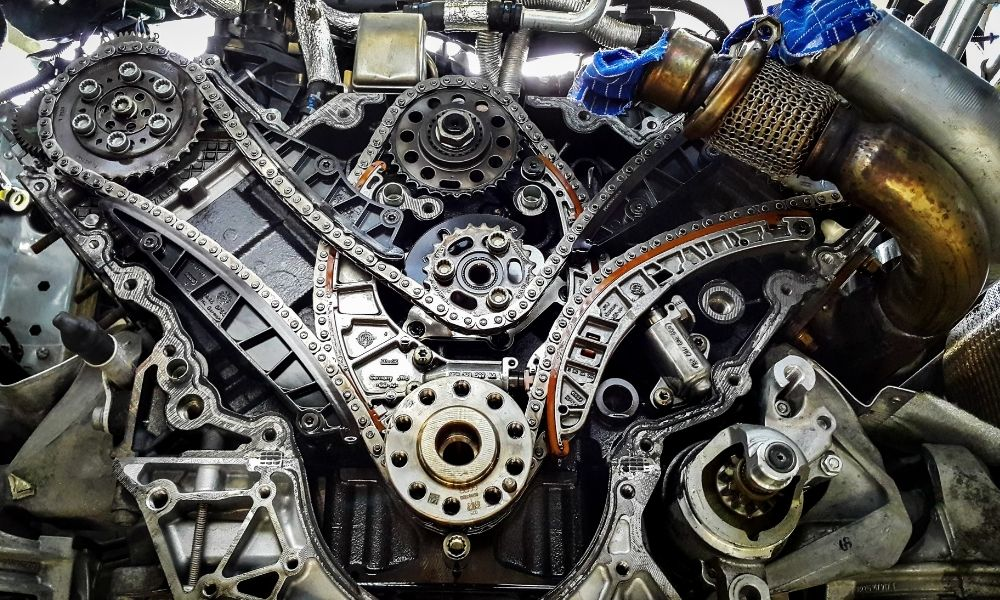
Ford equips the Bronco lineup with turbocharged EcoBoost engines paired with either a 10-speed automatic transmission or a 7-speed manual transmission (which includes an ultra-low crawler gear on select builds).
                      ┌────────────────────────────────────────┐
                      │    BRONCO POWERTRAIN LINEUP OPTIONS    │
                      └───────────────────┬────────────────────┘
                                          │
         ┌────────────────────────────────┴────────────────────────────────┐
         ▼                                                                 ▼
┌─────────────────────────────────┐                       ┌─────────────────────────────────┐
│     2.3L ECOBOOST 4-CYLINDER    │                       │     2.7L ECOBOOST V6 TWIN-TURBO │
├─────────────────────────────────┤                       ├─────────────────────────────────┤
│ • ~300 Horsepower / 325 lb-ft   │                       │ • ~330 Horsepower / 415 lb-ft   │
│ • Strong low-end torque         │                       │ • Effortless highway passing    │
│ • Ideal for daily commuting     │                       │ • Enhanced towing & rock crawl  │
│ • 7-speed manual or 10-speed auto│                      │ • Standard 10-speed automatic   │
└─────────────────────────────────┘                       └─────────────────────────────────┘
Matching your engine to your actual driving habits prevents overpaying for capability you won’t use. The 2.3-liter four-cylinder offers plenty of pep for daily commutes and light trail excursions. If you plan to tow campers, carry heavy cargo, or regularly scale steep mountain passes, the twin-turbo 2.7-liter V6 delivers noticeably punchier acceleration. (For extreme thrill-seekers, the flagship Bronco Raptor packs a 3.0-liter twin-turbo V6 producing 418 horsepower.)
Off-Road Systems and G.O.A.T. Modes
Off-road prowess is the central reason most buyers consider the Bronco. Built on a fully boxed steel chassis with independent front suspension (IFS) and a solid rear axle, it delivers excellent ground clearance and axle articulation.
Standard and Available Off-Road Tech
- G.O.A.T. Modes (Goes Over Any Type of Terrain): A center-console dial adjusts throttle sensitivity, shift points, steering feel, and differential locks for environments like Sand, Slippery, Mud/Ruts, Rock Crawl, and Baja.
- Trail Turn Assist: Brakes the inside rear wheel during tight, low-speed trail maneuvers, dramatically cutting down your turning radius around trees and boulders.
- Advanced On-Demand 4×4: Automatically toggles between 2H (rear-wheel drive) for efficient street driving and 4A (4WD Auto) for variable traction on rainy or icy roads.
- Sasquatch Package: Available on almost every trim, this package adds 35-inch mud-terrain tires, 17-inch beadlock-capable wheels, front/rear electronic locking differentials, high-clearance fender flares, and position-sensitive Bilstein dampers.
Body Style Comparison: 2-Door vs. 4-Door
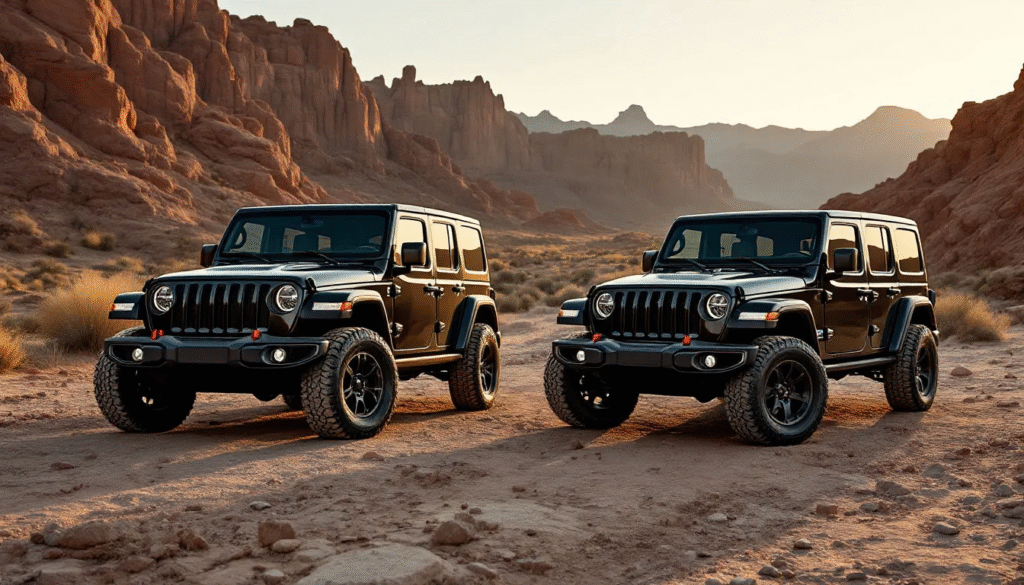
Choosing between the 2-door and 4-door Bronco comes down to a trade-off between classic proportions and everyday passenger convenience.
┌──────────────────────────────────────────┐   ┌──────────────────────────────────────────┐
│             2-DOOR BRONCO                │   │             4-DOOR BRONCO                │
├──────────────────────────────────────────┤   ├──────────────────────────────────────────┤
│ • Shorter wheelbase (Superior breakover) │   │ • Longer wheelbase (Smoother highway ride)│
│ • Vintage, athletic 1966 stance          │   │ • Direct rear-passenger door access      │
│ • Easier to park in tight urban spots    │   │ • Substantially larger cargo volume      │
│ • Best for singles or solo adventurers   │   │ • Ideal for families, gear, and pets     │
└──────────────────────────────────────────┘   └──────────────────────────────────────────┘
If the Bronco will serve as your main household car, the 4-door model is vastly more practical. Accessing the rear seat in a 2-door requires folding and sliding the front seats, and trunk space behind the second row is tight compared to the generous rear cargo bay of the 4-door.
Fuel Economy and True Ownership Costs
When budgeting for a Bronco, calculate total running costs beyond the monthly vehicle payment. A boxy shape paired with all-terrain tires and heavy-duty 4×4 hardware consumes more fuel and maintenance resources than a standard commuter.
Real-World Running Costs to Keep in Mind
- Fuel Economy: Expect an average of 17 to 20 MPG combined depending on engine choice and tire setup. Trims equipped with 35-inch Sasquatch tires sit at the lower end of that range.
- Insurance Rates: Specialized off-road hardware and removable body panels can result in slightly higher insurance premiums than typical family crossovers.
- Replacement Tires: Heavy-duty 33-inch or 35-inch all-terrain tires cost significantly more to replace when worn compared to standard 17-inch highway tires.
- Maintenance & Accessories: Frequent off-road driving leads to extra wear on steering components, air filters, and suspension bushings. Factor in routine maintenance alongside any aftermarket accessories (roof racks, winches, recovery gear) you intend to add.
Technology, Infotainment, and Driver Safety
Modern Bronco builds balance raw trail mechanicals with modern connectivity. Ford’s SYNC 4 software runs on a standard 12-inch center touchscreen, featuring wireless Apple CarPlay, Android Auto, and cloud-based navigation.
Driver-Assistance and Safety Features
- Ford Co-Pilot360: Includes Pre-Collision Assist with Automatic Emergency Braking, Blind Spot Information System (BLIS) with Cross-Traffic Alert, and Lane-Keeping Assist.
- 360-Degree Camera System: Uses cameras under the side mirrors and front grille with overlay tire-path lines to help you clear tight parking garages or tricky rock obstacles on trails.
- Trail Control: Functions like low-speed off-road cruise control, managing throttle and braking automatically so you can focus 100% on steering line choice.
Buying Advice Before You Visit the Dealership

To choose the right Bronco configuration without overspending, use this practical step-by-step checklist:
- Be Realistic About Trail Use: If you rarely drive on unpaved roads, skip heavy-duty packages like the Sasquatch Package to enjoy better fuel economy, a quieter highway ride, and lower initial cost.
- Compare Trims Line-by-Line: Trims like Outer Banks lean into street styling with painted fender flares and luxury cabin features, whereas Badlands and Stroppe Edition focus heavily on mechanical trail gear.
- Take a Comprehensive Test Drive: Drive the vehicle on both tight city streets and open highways. Pay close attention to wind noise levels, steering effort, brake response, and blind-spot visibility.
- Practice Roof Panel Removal: Have your salesperson demonstrate how to remove top panels and store them so you can test how easy it is to manage by yourself.
- Test Your Everyday Gear in the Trunk: Bring your actual strollers, luggage, sports equipment, or pet crates to the dealership to make sure everything fits smoothly into the cargo floor.
Final Verdict: Is the Ford Bronco Worth It?
The Ford Bronco isn’t just basic transportation from point A to point B—it’s a high-character vehicle designed for drivers who prioritize adventure, unique design, and genuine off-road performance. Its open-air capabilities and rugged stance give it a personality that standard family crossovers simply cannot match.
If you go in with realistic expectations regarding its design compromises—such as higher fuel consumption, a firm truck-like ride, and elevated highway wind noise—the Bronco remains one of the most rewarding and capable 4x4s available today.
FAQs
Is the Bronco comfortable enough to drive every day?
Yes, it handles daily commutes smoothly, though its boxy shape creates noticeable highway wind noise.
What is the difference between the Bronco and Bronco Sport?
The standard Bronco is a heavy-duty truck-based 4×4, while the Sport is a smaller, car-based crossover.
How hard is it to remove the roof and doors?
It takes under 15 minutes using simple hand latches for the roof and quick-release bolts for the doors.
Can you take a Ford Bronco through an automatic car wash?
Yes, but touchless or hand washes are best to protect soft tops and fit wide off-road tires.
How much weight can the Ford Bronco tow?
Standard models tow up to 3,500 lbs, while the heavy-duty Raptor trim scales up to 4,500 lbs.