
Buying a car isn’t what it used to be. Not that long ago, most shoppers picked a vehicle based on simple math: the initial price tag, fuel efficiency, and a reasonable expectation that it wouldn’t leave them stranded on the side of the highway. Today, Hyundai cars bring more focus to innovation, technology, comfort, and a smarter driving experience.
Fast forward to today, and our vehicles have effectively become secondary living rooms. We expect supportive seating for brutal commutes, infotainment systems that link with our phones before we even get our seatbelts buckled, sharp design that won’t feel outdated in three years, and active safety systems that act as an extra pair of eyes in hectic traffic.
That shift in driver expectations is precisely where Hyundai found its stride. Over the past decade, the automaker transformed itself from a budget-friendly alternative into a genuine industry trendsetter. Walk through any busy parking lot or look down a highway, and you’ll see the results—their lineup spans everything from nimble city hatchbacks to massive family haulers and award-winning electric crossovers.
If you’re currently shopping around or simply trying to figure out why everyone seems to be talking about Hyundai lately, here is an honest, grounded breakdown of how the brand built its reputation—and how to figure out which model makes sense for your driveway.
What Is Actually Driving Hyundai’s Popularity?
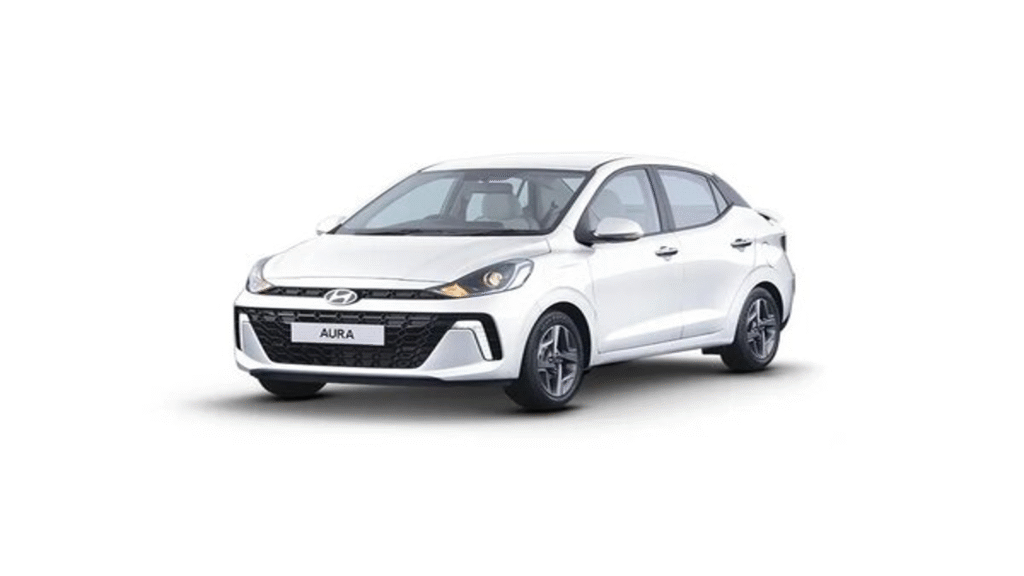
When a brand grows as steadily as Hyundai has, it’s rarely down to clever marketing alone. It usually means they identified what car buyers were tired of dealing with and offered a better alternative.
+--------------------------------------------------------------------------------+
|                          WHY DRIVERS ARE MAKING THE SWITCH                     |
+------------------------------------+-------------------------------------------+
| 1. Diverse Lineup                  | Petrol, Hybrid, Plug-in, and Full Electric|
| 2. Upscale Cabin Materials         | Soft-touch surfaces, quiet acoustic glass |
| 3. Generous Standard Equipment     | Advanced tech & safety included base trim  |
| 4. Long-Term Protection            | Comprehensive factory warranty coverage   |
+------------------------------------+-------------------------------------------+
1. Options for Every Stage of Life
Some car manufacturers focus almost all of their research and development money on a single vehicle style, like heavy trucks or midsize crossovers. Hyundai took a broader approach. They continued refining small, accessible city cars while simultaneously scaling up their SUV family and investing heavily in electric platforms.
Because their portfolio includes traditional petrol engines, self-charging hybrids, plug-in hybrids (PHEV), and battery electric vehicles (BEV), you don’t have to switch car brands every time your personal life or commute changes.
2. Interiors Built to a Higher Standard
Step inside a modern Hyundai, and the first thing you notice is how cohesive the cabin feels. They have largely phased out the scratchy, hollow plastics that used to define affordable cars. Instead, you get padded touchpoints, clean dash layouts, subtle ambient lighting, and improved sound insulation that keeps highway wind noise outside where it belongs.
3. High Value on Base and Mid-Range Trims
Historically, picking a base-model car felt like a compromise. You were left with tiny screens, plastic steering wheels, and missing safety gear. Hyundai flipped that approach by bundling features like large touchscreen displays, wireless Apple CarPlay and Android Auto, heated seats, and driver-assist safety packages directly into entry-level and mid-grade trims. You don’t need to pay for the absolute top package just to get basic modern conveniences.
Navigating the Lineup: Matching Cars to Real Lifestyles

Choosing the right car starts with an honest look at your daily routine. It’s easy to get enamored with an off-road SUV on the showroom floor, but if 95% of your week involves finding street parking near your office, a smaller vehicle will save you daily frustration.
| Category | Popular Hyundai Models | Ideal Driving Profile | Standout Characteristics |
| City Cars & Sedans | i10, i20, Elantra, Sonata | Urban commuters, solo drivers, budget-conscious buyers | Excellent fuel efficiency, tight turning radius, easy parking |
| SUVs & Crossovers | Venue, Kona, Tucson, Santa Fe, Palisade | Families, road-trippers, active lifestyles | High driving position, flexible cargo space, available AWD |
| Electric & Hybrids | IONIQ 5, IONIQ 6, IONIQ 9, Kona EV | High-mileage commuters, tech-focused drivers | Instant acceleration, zero tailpipe emissions, whisper-quiet ride |
Small Cars and Sedans: Practical, Nimble, and Cost-Effective
If you navigate cramped downtown streets, tight parking garages, or congested morning traffic, compact cars like the i10, i20, Elantra, or Sonata remain unbeatable choices. They offer lower starting costs, impressive fuel efficiency, and lower overall maintenance expenses.
SUVs and Crossovers: Visibility, Space, and Versatility
SUVs dominate current sales for good reason. Drivers appreciate sitting slightly higher, seeing further down the road, and having a boot that can swallow luggage, sports gear, or strollers without playing Tetris.
- Subcompact (Venue, Kona): Excellent for city dwellers who want the higher ride height and ground clearance of an SUV without sacrificing ease of parking.
- Midsize (Tucson, Santa Fe): The sweet spot for small-to-medium families. They feature spacious rear legroom, multi-zone climate controls, and enough rear storage for long trips.
- Three-Row (Palisade, IONIQ 9): Designed for larger families or regular carpool duty. They offer seating for up to eight passengers and substantial towing capacity for trailers or recreational gear.
Everyday Technology: Helpful, Not Overwhelming
Automotive technology has evolved quickly, but not every feature makes life easier. We’ve all been in cars where adjusting the air conditioning or changing a radio station requires clicking through multiple touchscreen sub-menus.
Hyundai’s technology strategy strikes a functional middle ground:
- Wireless Phone Integration: Apple CarPlay and Android Auto are widely integrated. Maps, playlists, and phone contacts sync up automatically on the main screen as soon as you turn the vehicle on.
- Physical Knobs and Buttons: While touchscreen displays have gotten larger, Hyundai maintains physical dials and switches for primary controls like temperature, volume, and fan speed. You can adjust them by feel without taking your eyes off the road.
- Digital Display Instrument Panels: On higher trims, the main gauge cluster converts into a customizable digital screen. Signal to make a lane change, and a camera feed shows your blind spot directly in front of you.
Switching to Electric: Practical Factors to Consider
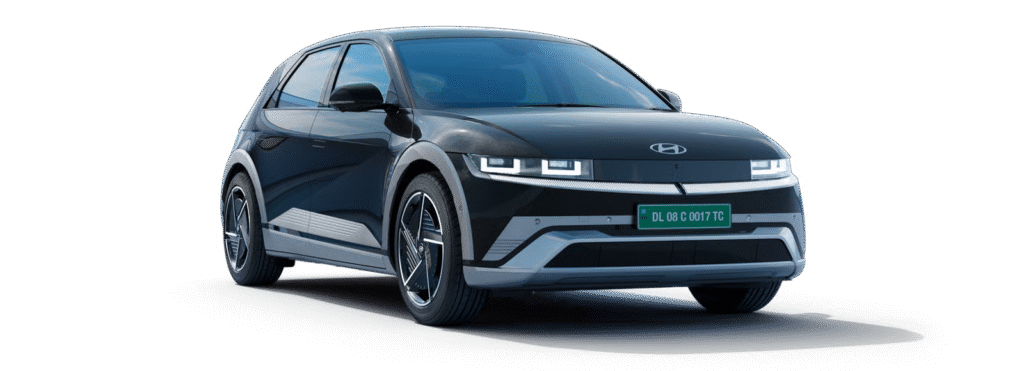
Hyundai’s dedicated EV family—the IONIQ line—has picked up significant international praise for its distinctive design and rapid charging capabilities. If you are looking to skip petrol stations entirely with a model like the IONIQ 5, IONIQ 6, or three-row IONIQ 9, keep these practical points in mind:
                  +----------------------------------------------+
                  |           EV PRE-PURCHASE CHECKLIST          |
                  +----------------------------------------------+
                  | [ ] Can I install a Level 2 charger at home? |
                  | [ ] Is my daily commute under 200 miles?     |
                  | [ ] Are fast chargers along my usual routes? |
                  | [ ] Do I prefer silent, instant acceleration?|
                  +----------------------------------------------+
- Home Charging Makes the Difference: Electric cars are most convenient if you can install a home charging unit (Level 2). Plugging in overnight means you start every day with a full battery and rarely need public chargers during routine weekly driving.
- 800-Volt Fast-Charging Systems: Many Hyundai EVs feature an advanced 800V charging setup. On a high-powered DC public fast charger, the battery can replenish from 10% to 80% in under 20 minutes under ideal conditions.
- Smooth Power Delivery: Electric motors deliver power instantly without traditional gear changes. Highway merging feels seamless, and the silence of the drivetrain significantly lowers cabin fatigue on long journeys.
Safety Features: How SmartSense Helps on the Road
Whether you’re commuting solo or traveling with family, active safety systems provide an added cushion of confidence. Independent rating bodies like Euro NCAP and the IIHS consistently award top marks to Hyundai models for structural design and crash avoidance technology.
Hyundai clusters these safety features under the SmartSense name. Here is how the key systems function during everyday driving:
- Forward Collision-Avoidance Assist (FCA): Monitors the road ahead for stopped vehicles, pedestrians, or cyclists. It provides audible alerts and can automatically engage emergency braking if a collision is imminent.
- Lane Keeping & Lane Following Assist: Uses camera feedback to monitor lane markers. It helps hold the vehicle centered in its lane and offers minor steering corrections if you drift.
- Rear Cross-Traffic Alert: Essential for reversing out of blind parking spots. Sensors monitor incoming traffic from the sides and sound an immediate warning if a vehicle is approaching.
Why You Should Never Skip a Real Test Drive

It is easy to spend hours comparing specs, watching online car reviews, and viewing photo galleries. However, data on a webpage cannot tell you how a car actually fits your body or feels on uneven pavement.
When you visit a dealership for a test drive, treat it like an inspection rather than a brief loop around the block:
- Seating Position & Comfort: Can you adjust the seat, headrest, and steering wheel to a position that feels natural for your back and legs?
- Outward Sightlines: Check your view over the hood, through the side mirrors, and over your shoulder when changing lanes. Take note of any significant blind spots caused by the window pillars.
- Cabin Layout & Ergonomic Control: Are the gear selector, climate buttons, and screen controls within easy reach, or do you have to stretch awkwardly to reach them?
- Real Cargo Testing: If you regularly carry specific equipment—a double pram, golf clubs, dog crates, or toolboxes—measure the boot opening or ask to test fit them before making a final commitment.
Calculating Total Ownership Costs
The number printed on the window sticker is only one part of your ongoing motoring budget. To prevent surprises down the road, calculate all regular expenses before signing a contract:
+-----------------------------------------------------------------------------------+
|                           TOTAL COST OF OWNERSHIP FORMULA                         |
+-------------------+--------------------+-------------------+----------------------+
| Purchase/Lease    | + Fuel or Charging | + Vehicle         | + Routine Servicing  |
| Monthly Payment   |   Monthly Estimate |   Insurance Quote |   & Replacement Wear |
+-------------------+--------------------+-------------------+----------------------+
- Fuel vs. Electricity Costs: Compare the expected mileage (MPG) or electricity usage (kWh per 100 miles) across the vehicles you are considering.
- Insurance Quotes: Request insurance estimates for the specific trim levels on your shortlist. Rates can vary depending on whether you choose a sedan, crossover, or electric model.
- Factory Warranty Coverage: Hyundai’s extended warranty protection (which includes up to 10 years or 100,000 miles on powertrain components in key global markets) helps limit out-of-pocket costs for unexpected mechanical issues.
- Depreciation & Resale: Popular SUVs and hybrid variants generally hold their market value well, giving you better financial leverage when it comes time to sell or trade in down the line.
A Simple 5-Step Buying Game Plan
If you’re ready to start shopping, follow this straightforward plan to keep your search organized and budget-friendly:
- Clarify Your Main Use Case: Determine whether your car will primarily serve as an inexpensive city commuter, a family transporter, or a long-distance highway runner.
- Set a Clear Financial Ceiling: Factor in monthly financing or lease payments, insurance, fuel/charging, and routine servicing.
- Separate Needs from Wants: Identify non-negotiable features (like all-wheel drive for snow or heated seats) versus nice-to-have options (like a panoramic sunroof or custom leather seats).
- Check Regional Promotions: Visit Hyundai’s regional website to review current finance rates, lease promotions, or trade-in incentives.
- Take an Extended Test Drive: Drive the vehicle on both low-speed residential streets and high-speed highways to evaluate steering response, suspension, and cabin quietness under varied conditions.

Ford Bronco: Everything You Need to Know Before Buying
Buying a new vehicle is a major commitment, and choosing a purpose-built 4×4 requires looking…

PS5 Pro: Everything You Need to Know Before Buying
Buying a new gaming console is always exciting, but it also makes you stop and…

PlayStation Plus Monthly Games: Discover New Games to Play
We’ve all got that wishlist on our consoles—the one packed with games we think look…

Top Fashion Trends You Need to Know This Season And How to Wear Them
If you’ve opened social media or stepped into a clothing store recently, you’ve probably felt…
Hyundai: Discover Innovation, Cars & Better Driving
Buying a car isn’t what it used to be. Not that long ago, most shoppers…
Rolls-Royce Holdings: Explore Powerful Aerospace Tech
Rolls-Royce, and most people immediately picture sleek luxury motorcars with handcrafted interiors. But in reality,…
FAQs
Are Hyundai cars actually reliable in the long run?
Modern Hyundais are very dependable, consistently scoring well in independent consumer reliability ratings. Plus, their long-standing factory warranty covers major mechanical repairs for years down the line.
What is the difference between Hyundai’s Hybrid, Plug-in Hybrid, and EV models?
Hybrids self-charge their battery using petrol power, Plug-in Hybrids offer 20 to 40 miles of pure electric driving before switching to petrol, and full EVs run strictly on battery power.
Is a Hyundai EV hard to charge at home?
Not at all. You can plug into a standard wall socket overnight, though installing a dedicated home charger speeds things up enough to give you a full charge while you sleep.
How expensive is routine maintenance on a Hyundai?
Maintenance costs are lower than the industry average thanks to affordable parts and simple mechanical layouts. Electric models cost even less to maintain since they don’t require oil changes or belt replacements.
What safety tech comes standard on most new Hyundai models?
Most models come standard with Hyundai SmartSense, which includes automatic emergency braking, lane-keeping assistance, and driver fatigue monitoring right out of the box.