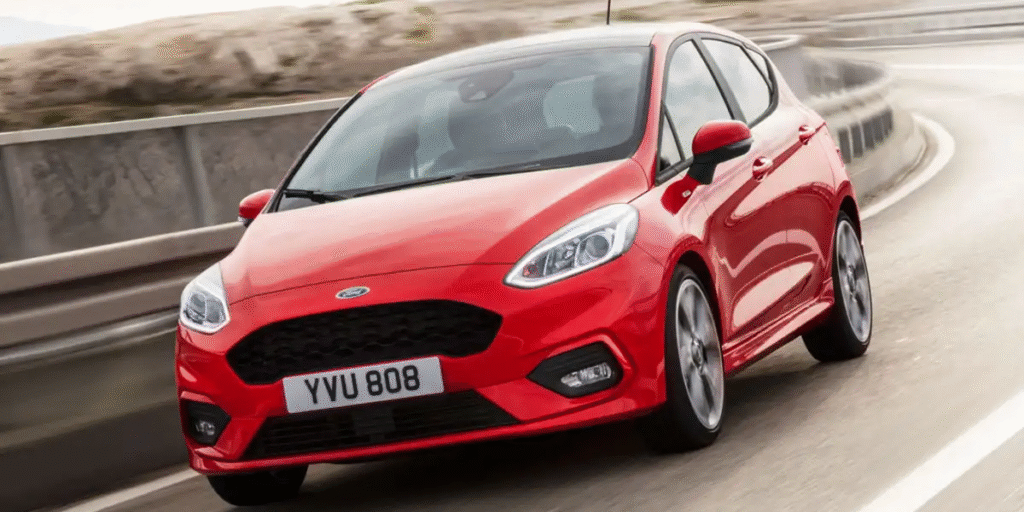
For decades, the Ford Fiesta was one of the most recognizable small cars on roads around the world. Known for its affordability, practical design, fuel efficiency, and enjoyable driving experience, the Fiesta earned a loyal following among first-time car buyers, families, commuters, and driving enthusiasts alike. Even though Ford officially ended Fiesta production in many markets, including Europe, the model continues to attract attention in the used car market.
The question many buyers ask today is simple: Is the Ford Fiesta still worth buying? The answer depends on what you need from a vehicle, your budget, and your expectations. While newer models from other manufacturers offer modern technology and advanced safety features, the Fiesta still delivers a combination of value and driving enjoyment that is difficult to ignore.
In this comprehensive guide, we will explore the strengths and weaknesses of the Ford Fiesta, examine its reliability, discuss ownership costs, and help you determine whether it remains a smart purchase in 2026.
The Legacy of the Ford Fiesta
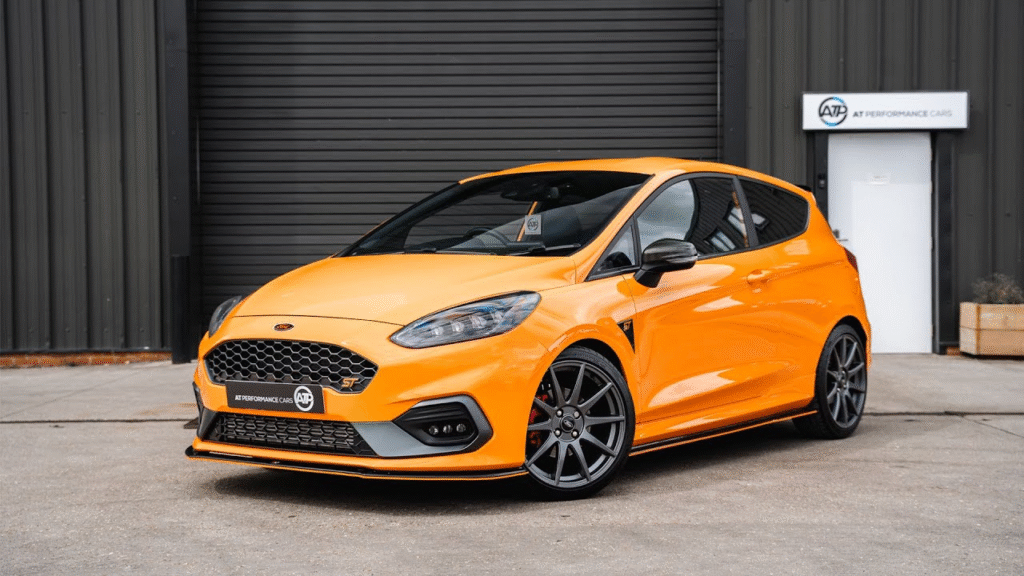
The Ford Fiesta first appeared in the 1970s and quickly became one of Ford’s most successful global vehicles. Designed as a compact and economical hatchback, it appealed to drivers who wanted a practical car without sacrificing comfort or style.
Over the years, the Fiesta evolved through multiple generations. Each version introduced improvements in safety, technology, fuel efficiency, and performance. The model became especially popular in Europe, where compact vehicles are often preferred due to narrow streets, crowded cities, and high fuel prices.
One of the reasons the Fiesta became so successful was its ability to balance affordability with driving pleasure. Many small cars focus solely on practicality, but the Fiesta consistently offered responsive steering, confident handling, and an engaging driving experience.
Even after production ended, the Fiesta’s reputation remains strong among used car buyers.
Why the Ford Fiesta Remains Popular
One of the biggest reasons people continue to buy the Ford Fiesta is value for money. Used examples are often significantly cheaper than newer competitors while still offering modern features such as touchscreen infotainment systems, Bluetooth connectivity, rear parking sensors, and advanced safety equipment.
The Fiesta is also known for being easy to drive. Its compact dimensions make parking simple, while its nimble handling helps drivers navigate busy urban environments comfortably.
Fuel efficiency remains another major advantage. Most Fiesta models deliver excellent mileage, making them attractive to commuters looking to reduce fuel expenses.
In addition, spare parts are generally easy to find, and many mechanics are familiar with the vehicle, helping keep maintenance costs manageable.
Driving Experience: One of the Fiesta’s Strongest Features
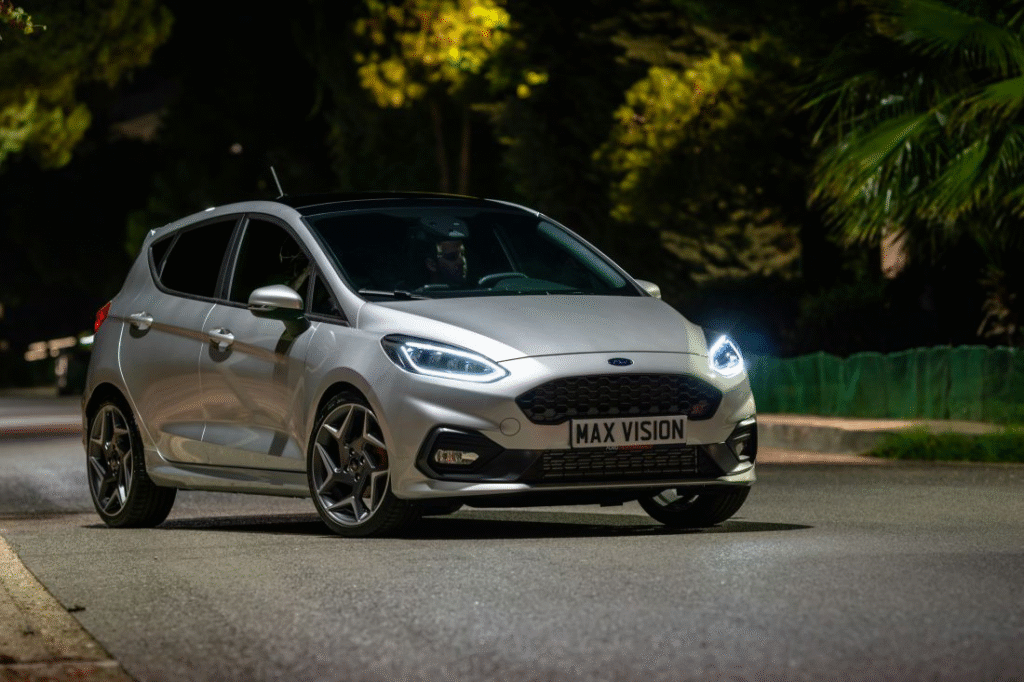
If there is one area where the Ford Fiesta consistently stands out, it is the driving experience.
Many automotive reviewers have praised the Fiesta for offering some of the best handling in the small-car segment. The steering feels responsive, the suspension provides a comfortable balance between ride quality and control, and the car remains stable even on winding roads.
Unlike some compact vehicles that feel dull behind the wheel, the Fiesta delivers a sense of engagement that drivers often appreciate.
This is especially true for sportier variants such as the Fiesta ST. These performance-oriented models have become highly desirable among enthusiasts due to their powerful engines, precise handling, and exciting driving dynamics.
Even standard versions offer a driving experience that feels more refined and enjoyable than many competitors.
Interior Comfort and Practicality
The Ford Fiesta may be classified as a small car, but it makes efficient use of interior space.
Front-seat passengers generally enjoy comfortable seating positions and good visibility. Later-generation models feature improved materials and a more modern dashboard design, giving the cabin a surprisingly premium feel for an affordable vehicle.
The rear seats provide enough space for children and shorter journeys with adult passengers. However, taller passengers may find rear legroom somewhat limited during longer trips.
Cargo space is respectable for a vehicle of this size. The hatchback design makes loading groceries, luggage, and everyday items convenient.
While larger families may prefer a crossover or SUV, the Fiesta remains practical for singles, couples, students, and small households.
Fuel Economy and Running Costs
One of the strongest arguments in favor of buying a Ford Fiesta is its fuel efficiency.
Many Fiesta models were designed with economy in mind, offering engines that provide impressive mileage both in city traffic and on highways. This can result in significant savings over time, particularly for drivers who cover long distances regularly.
Insurance costs are often reasonable as well, especially for non-performance models. Maintenance expenses generally remain affordable because replacement parts are widely available and the vehicle’s design is relatively straightforward.
These factors combine to make the Fiesta one of the more economical used cars to own.
For budget-conscious buyers, this affordability can be a major advantage.
Reliability: Is the Ford Fiesta Dependable?
Reliability is one of the most important considerations when purchasing any used vehicle.
The Ford Fiesta has generally earned a positive reputation for reliability, although experiences can vary depending on the model year, maintenance history, and engine choice.
Well-maintained examples often provide many years of dependable service. Routine maintenance such as oil changes, brake servicing, and tire replacement typically keeps the vehicle running smoothly.
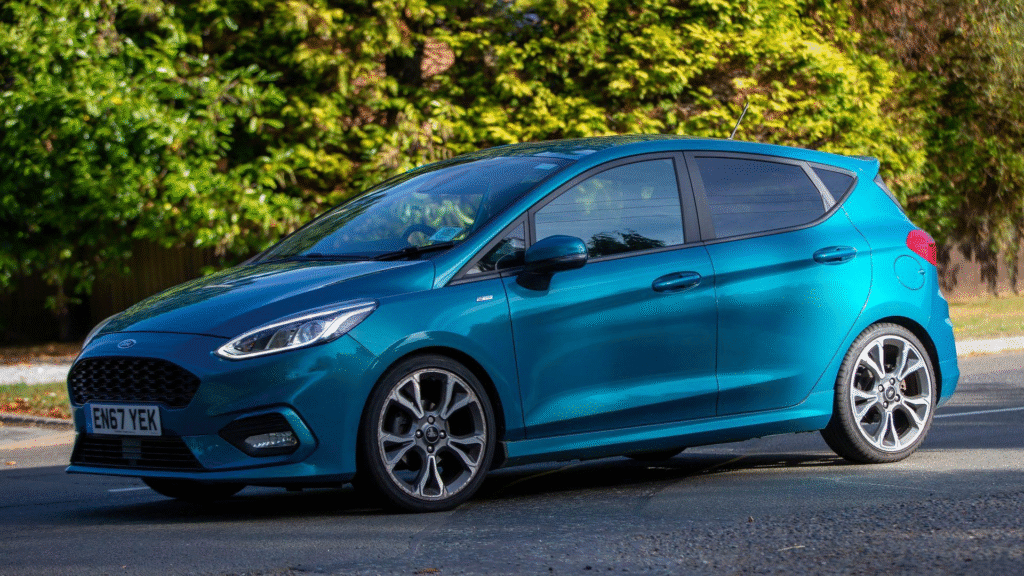
However, some model years have experienced issues that potential buyers should investigate carefully. Certain automatic transmissions, particularly Ford’s PowerShift dual-clutch system, received criticism for reliability concerns and costly repairs.
Because of this, many experts recommend choosing a manual transmission Fiesta when possible. Manual versions tend to be simpler, more reliable, and often more enjoyable to drive.
Before purchasing any used Fiesta, obtaining a full service history and conducting a professional inspection is highly recommended.
Technology and Features
Technology has become increasingly important for modern car buyers, and later Fiesta models offer a surprising number of features.
Depending on the trim level and year, buyers may find touchscreen infotainment systems, smartphone connectivity, navigation systems, voice controls, automatic climate control, keyless entry, and advanced driver assistance technologies.
Ford’s SYNC infotainment platform received positive reviews for its user-friendly interface and useful functionality.
While the Fiesta may not match the latest vehicles in terms of cutting-edge technology, many used examples still provide enough features to satisfy everyday needs.
For buyers seeking affordable transportation with modern conveniences, the Fiesta remains competitive.
Safety Performance
Safety standards improved significantly throughout the Fiesta’s production life.
Later-generation models achieved strong crash-test ratings and included features such as multiple airbags, electronic stability control, anti-lock brakes, lane departure warnings, and emergency braking assistance.
Although older versions may lack some advanced driver-assistance systems found in modern vehicles, they still offer a solid level of protection when properly maintained.
Prospective buyers should prioritize newer model years if safety technology is a major concern.
Common Problems to Watch For
No vehicle is perfect, and the Ford Fiesta is no exception.
Potential buyers should pay close attention to transmission performance, particularly in automatic models. Hesitation, shuddering, or unusual shifting behavior may indicate issues that require expensive repairs.
Suspension wear can occur on higher-mileage vehicles, especially if they have been driven frequently on rough roads.
Electrical problems occasionally appear in older examples, including issues with infotainment systems, sensors, or battery connections.
Rust may also be a concern in regions where roads are heavily salted during winter.
A thorough inspection can help identify these issues before purchase and potentially save significant repair costs later.
How the Fiesta Compares to Modern Competitors
The automotive market has changed considerably since the Fiesta’s introduction.
Many buyers now prefer compact SUVs and crossovers, which offer higher seating positions and additional cargo space. Vehicles such as the Hyundai i20, Toyota Yaris, Volkswagen Polo, and Honda Jazz provide strong competition in the small-car segment.
However, the Fiesta continues to stand out in terms of driving enjoyment and affordability.
Used examples often cost thousands less than newer alternatives while still delivering reliable transportation and respectable technology.
For drivers who prioritize value and handling over having the latest vehicle, the Fiesta remains a compelling choice.
Is the Ford Fiesta a Good First Car?
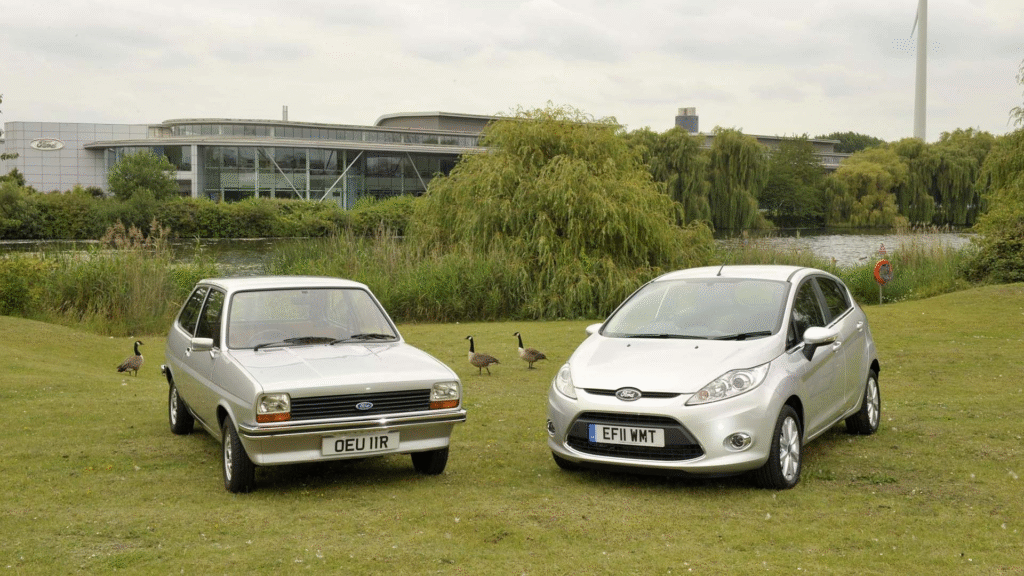
The Ford Fiesta has long been considered one of the best first cars for new drivers.
Its compact size makes parking and maneuvering easy, while fuel-efficient engines help keep operating costs low. Insurance rates are generally manageable, and maintenance expenses tend to be reasonable.
The vehicle’s predictable handling and user-friendly controls make it approachable for inexperienced drivers.
Many young motorists choose the Fiesta because it offers practicality, reliability, and affordability in a single package.
For students, recent graduates, and first-time buyers, the Fiesta continues to represent excellent value.
Should You Buy a Ford Fiesta in 2026?
The answer largely depends on your needs.
If you want a brand-new vehicle packed with the latest technology and advanced safety systems, newer alternatives may be more appealing.
However, if you are searching for an affordable, fuel-efficient, enjoyable-to-drive used car with a proven reputation, the Ford Fiesta remains one of the strongest options available.
Its combination of low ownership costs, practical design, responsive handling, and widespread parts availability helps it stay relevant even after production has ended.
Choosing a well-maintained example with a solid service history can provide years of dependable transportation.
For many buyers, especially those on a budget, the Fiesta continues to be a smart investment.
FAQs
1.Is the Ford Fiesta reliable?
Yes, the Ford Fiesta is generally considered reliable when properly maintained. Manual transmission models are often viewed as more dependable than some automatic versions.
2.Why was the Ford Fiesta discontinued?
Ford discontinued the Fiesta in several markets as part of a broader strategy focused on SUVs, crossovers, and electric vehicles.
3.Is a used Ford Fiesta worth buying in 2026?
A well-maintained used Ford Fiesta can still be an excellent purchase due to its affordability, fuel efficiency, and enjoyable driving experience.
4.Which Ford Fiesta model is the best?
Many enthusiasts recommend later-generation Fiesta models, particularly those produced after major updates that improved technology and safety features.
5.Is the Ford Fiesta expensive to maintain?
No, maintenance costs are generally affordable compared to many other vehicles. Parts are widely available and repairs are usually straightforward.
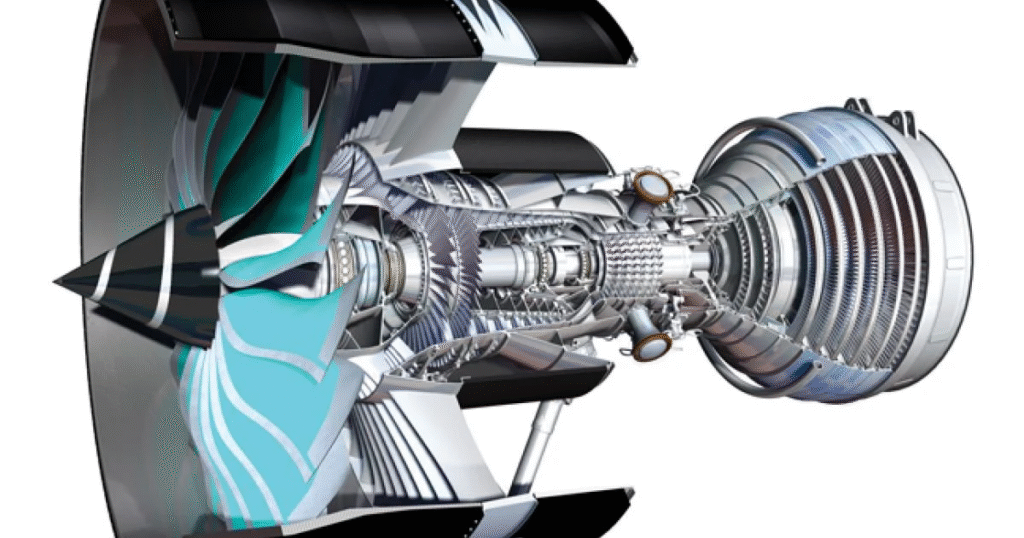
Rolls-Royce Holdings: Explore Powerful Aerospace Tech
Rolls-Royce, and most people immediately picture sleek luxury motorcars with handcrafted interiors. But in reality,…
iOS 27 Release Date India: Key Time, iPhones & new Features
If you’ve been checking your iPhone settings today, the wait is officially over. Apple has…
Merseyrail Tickets & Timetables 2026: Everything You Need to Know
Getting around Liverpool and the wider Merseyside region is surprisingly smooth once you get the…