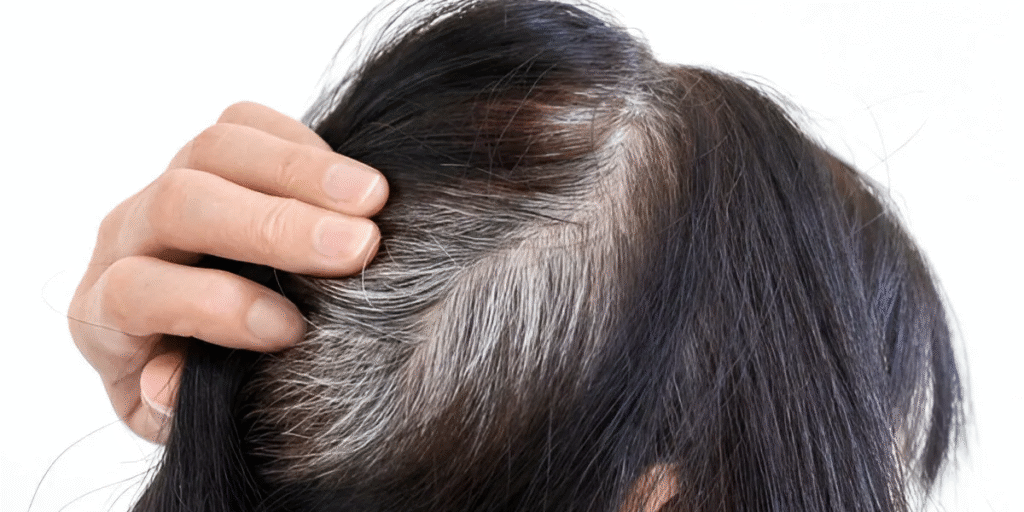
Understanding Grey Hair in Modern Life

Grey hair is one of the most natural parts of aging, yet it remains one of the most talked-about beauty and health topics around the world. For some people, the first grey strand appears in their forties or fifties, while others begin noticing changes much earlier. Seeing grey hair for the first time can feel surprising, emotional, or even stressful, especially for younger adults who were not expecting it so soon.
In recent years, attitudes toward grey hair have changed significantly. Many people now proudly embrace silver and grey shades as symbols of confidence, maturity, and individuality. At the same time, others still prefer to slow the process naturally or maintain their original hair color for as long as possible.
Understanding why grey hair happens is important because the process is influenced by many different factors, including genetics, lifestyle, stress, nutrition, and overall health. While grey hair cannot always be completely prevented, there are natural ways to support healthier hair and possibly slow down premature greying.
Instead of treating grey hair as something negative, many experts now encourage people to see it as a normal biological process that reflects the body’s natural changes over time.
What Causes Hair to Have Color?
To understand why hair turns grey, it helps to first understand how hair gets its color in the first place.
Hair color comes from a pigment called melanin, which is produced by special cells known as melanocytes. These cells are located inside hair follicles and are responsible for creating the pigments that give hair its natural shade, whether black, brown, blonde, or red.
There are different types of melanin, and the balance between them determines a person’s hair color. As long as melanocytes continue functioning normally, hair maintains its natural pigmentation.
However, as people age, melanocyte activity gradually slows down. Over time, these pigment-producing cells create less melanin, causing hair strands to lose color and appear grey, silver, or white.
This process happens gradually for most individuals, which is why people usually notice scattered grey hairs before larger portions of hair begin changing color.
Why Grey Hair Happens Earlier for Some People
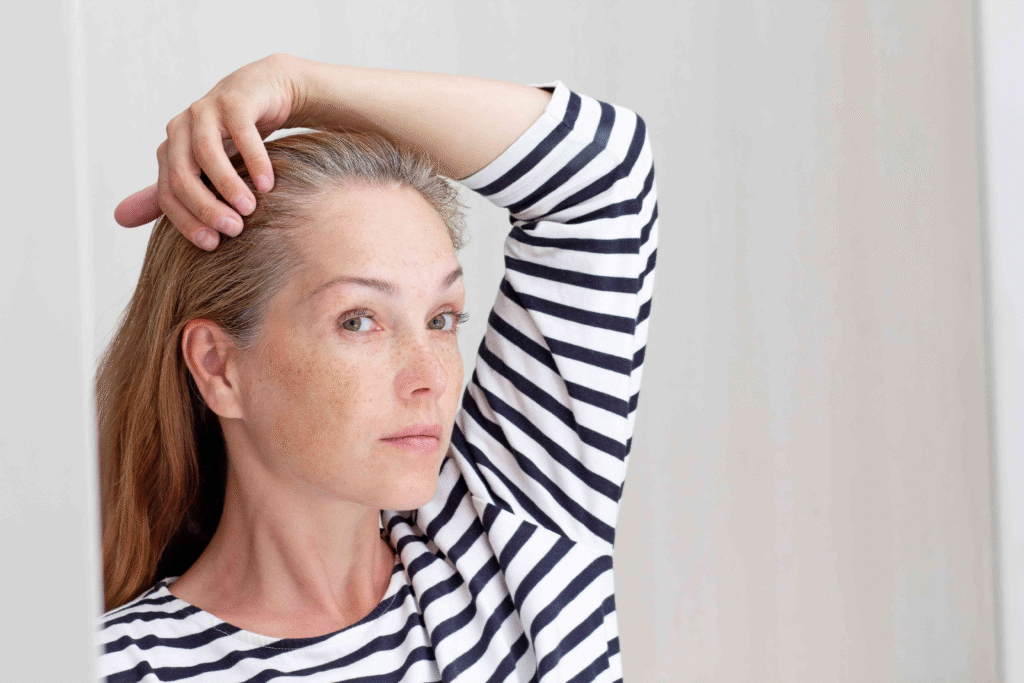
One of the biggest questions people ask is why some individuals experience grey hair much earlier than others.
The answer often involves genetics. Family history plays a major role in determining when grey hair appears. If parents or grandparents experienced early greying, there is a higher chance younger generations may notice similar patterns.
Genetics strongly influence the timing of melanin reduction inside hair follicles. Some people naturally maintain pigment production longer, while others experience faster decline.
However, genetics is not the only factor.
Lifestyle habits, stress levels, nutrition, smoking, environmental exposure, and health conditions can also influence premature greying. This is why two people of the same age can have very different hair aging experiences.
In modern life, increasing stress and unhealthy routines may contribute to earlier visible signs of aging, including grey hair.
The Connection Between Stress and Grey Hair
Stress is frequently linked to premature grey hair, and scientific research continues exploring this connection.
When the body experiences chronic stress, it releases hormones that can affect various biological systems, including hair follicles. Long-term stress may contribute to oxidative stress, a process that damages cells and accelerates aging.
Some researchers believe excessive stress can affect melanocyte stem cells responsible for maintaining hair pigmentation. Over time, this may reduce melanin production faster than normal.
Although stress alone may not instantly turn hair grey overnight, ongoing emotional strain can potentially accelerate the natural greying process in some individuals.
Modern lifestyles often involve constant pressure from work, studies, financial concerns, social expectations, and digital overload. These stressors can impact sleep quality, hormone balance, and overall health, which may indirectly affect hair health as well.
Managing stress naturally is not only helpful for emotional well-being but may also support healthier aging overall.
Nutritional Deficiencies and Hair Health
Nutrition plays a very important role in maintaining strong and healthy hair. Deficiencies in certain vitamins and minerals may contribute to premature greying or weakened hair quality.
Vitamin B12 is commonly linked to hair pigmentation because it supports healthy red blood cells and nerve function. Low levels of B12 may affect hair health and potentially contribute to early greying in some individuals.
Iron deficiency can also impact hair condition by reducing oxygen delivery to hair follicles. Similarly, deficiencies in copper, zinc, vitamin D, and antioxidants may influence overall hair strength and pigmentation.
Poor eating habits, extreme dieting, or heavily processed foods may deprive the body of important nutrients needed for healthy hair function.
A balanced diet rich in fruits, vegetables, proteins, healthy fats, and whole grains supports the body’s natural processes more effectively than relying solely on cosmetic products.
Hydration also matters because dry and dehydrated hair often appears duller and less healthy.
How Smoking Affects Grey Hair
Smoking has been linked to premature aging in many parts of the body, including the skin and hair.
Research suggests smokers may experience earlier grey hair compared to non-smokers. Chemicals found in cigarettes can increase oxidative stress and damage cells involved in hair pigmentation.
Smoking may also reduce blood circulation, limiting oxygen and nutrient delivery to hair follicles. Over time, this can weaken overall hair health and accelerate visible aging signs.

This connection highlights how lifestyle choices affect not only internal health but also physical appearance.
Reducing or avoiding smoking supports healthier skin, hair, and long-term wellness overall.
Can Grey Hair Be Reversed Naturally?
One of the most common questions people ask is whether grey hair can actually return to its original color naturally.
The answer depends on the cause.
If greying results mainly from genetics and natural aging, complete reversal is unlikely. Once melanocyte activity significantly declines, restoring full pigment production becomes difficult.
However, if premature greying is linked to nutritional deficiencies, stress, or certain health issues, improving overall health may sometimes help slow progression or improve hair condition.
There are occasional reports of partial repigmentation after lifestyle improvements, stress reduction, or medical treatment for underlying deficiencies. However, these situations vary greatly from person to person.
Many products claim to reverse grey hair completely, but consumers should remain cautious about unrealistic promises. Healthy hair care focuses more realistically on supporting scalp health, reducing damage, and maintaining strong hair quality.
Natural Ways to Manage Grey Hair
Managing grey hair naturally begins with accepting that hair aging is a normal biological process. Instead of chasing unrealistic perfection, many people focus on improving hair health and appearance naturally.
Healthy nutrition is one of the most important factors. Eating antioxidant-rich foods may help protect cells from oxidative stress. Leafy vegetables, berries, nuts, seeds, eggs, fish, and protein-rich foods provide nutrients that support hair strength and scalp health.
Stress management also plays an important role. Meditation, exercise, proper sleep, spending time outdoors, and reducing digital overload may help lower stress levels that affect overall health.
Natural oils are popular in traditional hair care routines as well. Coconut oil, almond oil, rosemary oil, and amla oil are commonly used to nourish hair and maintain moisture. While these oils may not permanently reverse grey hair, they can improve softness, shine, and overall appearance.
Gentle hair care routines are also important. Excessive heat styling, harsh chemicals, and frequent coloring treatments may weaken hair over time. Using mild shampoos and reducing chemical exposure helps preserve hair quality.
The Growing Trend of Embracing Grey Hair
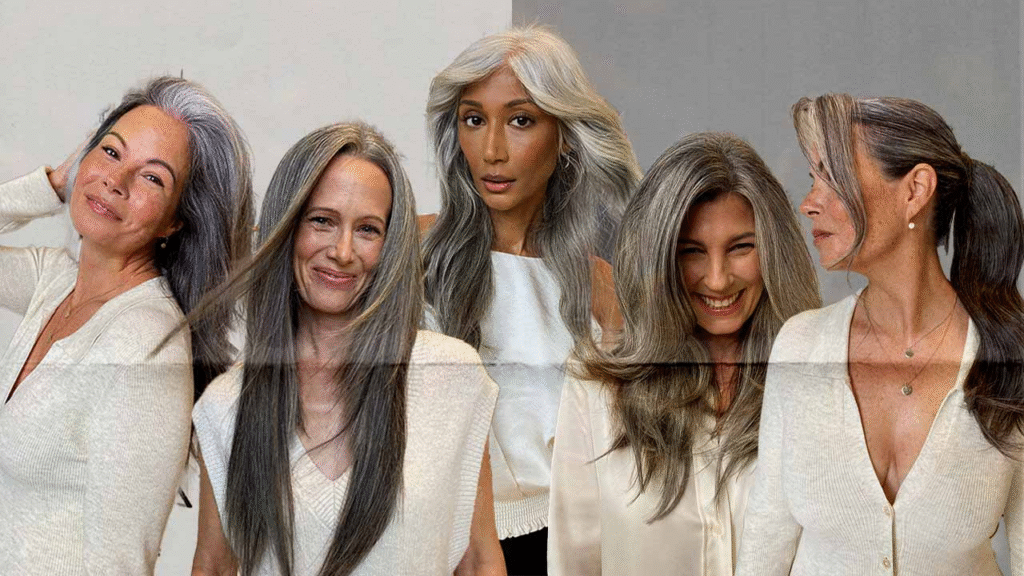
In the past, many people viewed grey hair negatively because society often associated youth with beauty and attractiveness. Today, attitudes are changing significantly.
Many celebrities, influencers, and public figures proudly embrace natural silver and grey hair. This shift helped reduce stigma surrounding aging and encouraged people to feel more confident about their natural appearance.
Grey hair is now often viewed as elegant, stylish, and sophisticated rather than something that must always be hidden.
Social media trends also contributed to this cultural change. Instead of treating grey hair as a flaw, many people celebrate it as part of individuality and self-acceptance.
This changing perspective has helped many individuals feel less pressured to constantly cover every sign of aging.
Emotional Reactions to Grey Hair
Grey hair affects people emotionally in different ways. Some individuals feel proud and confident when they notice silver strands, while others may feel anxious about aging or changing appearance.
These emotional reactions are completely normal because hair often plays an important role in self-image and identity.
For younger people experiencing premature greying, the emotional impact may feel even stronger. They may worry about looking older than their peers or losing confidence in social situations.
However, learning to manage these feelings positively is important.
Physical appearance naturally changes over time for everyone. Confidence usually grows stronger when people focus on overall health, self-care, and personal well-being rather than unrealistic beauty standards.
Many people eventually discover that grey hair becomes easier to accept once they stop viewing it as something negative.
Hair Care Tips for Grey Hair
Grey hair often has a different texture compared to pigmented hair. It may feel drier, coarser, or more fragile because melanin also influences hair structure to some extent.
Proper hydration becomes especially important for maintaining softness and shine.
Using moisturizing conditioners, hydrating oils, and gentle hair products can help improve manageability. Avoiding excessive heat styling may also reduce dryness and breakage.
Sun protection matters too because UV exposure can make grey hair appear dull or yellow over time. Wearing hats or using protective hair products may help maintain healthier-looking hair.
Some people choose purple shampoos designed to reduce yellow tones and keep silver shades brighter.
The key is focusing on healthy hair rather than trying to fight every natural change aggressively.
The Science of Aging and Hair Changes
Grey hair is part of the broader biological aging process affecting the entire body. As people age, cells gradually experience slower regeneration and reduced efficiency in certain functions.
Hair follicles are no exception.
Changes in hormone levels, cellular repair processes, oxidative stress, and stem cell activity all contribute to aging-related hair changes. This is why hair may not only turn grey but also become thinner or change texture over time.
Scientists continue researching ways to better understand hair pigmentation and cellular aging. Advances in genetics, stem cell science, and anti-aging research may eventually provide new insights into hair aging in the future.
For now, maintaining a healthy lifestyle remains one of the best approaches for supporting long-term hair health naturally.
FAQs
1.Why does hair turn grey?
Hair turns grey when melanocyte cells inside hair follicles produce less melanin, the pigment responsible for natural hair color.
2.Can stress cause grey hair?
Chronic stress may contribute to premature greying by increasing oxidative stress and affecting pigment-producing cells in hair follicles.
3.Is grey hair genetic?
Yes, genetics plays a major role in determining when and how quickly grey hair appears.
4.Can grey hair be reversed naturally?
If grey hair is caused by nutritional deficiencies or certain health issues, improving overall health may sometimes help. However, genetically related greying is usually permanent.
5.Does diet affect grey hair?
Yes, poor nutrition and deficiencies in vitamins or minerals like B12, iron, and zinc may affect hair health and contribute to premature greying.
Ford Bronco: Everything You Need to Know Before Buying
Buying a new vehicle is a major commitment, and choosing a purpose-built 4×4 requires looking…

PS5 Pro: Everything You Need to Know Before Buying
Buying a new gaming console is always exciting, but it also makes you stop and…

PlayStation Plus Monthly Games: Discover New Games to Play
We’ve all got that wishlist on our consoles—the one packed with games we think look…