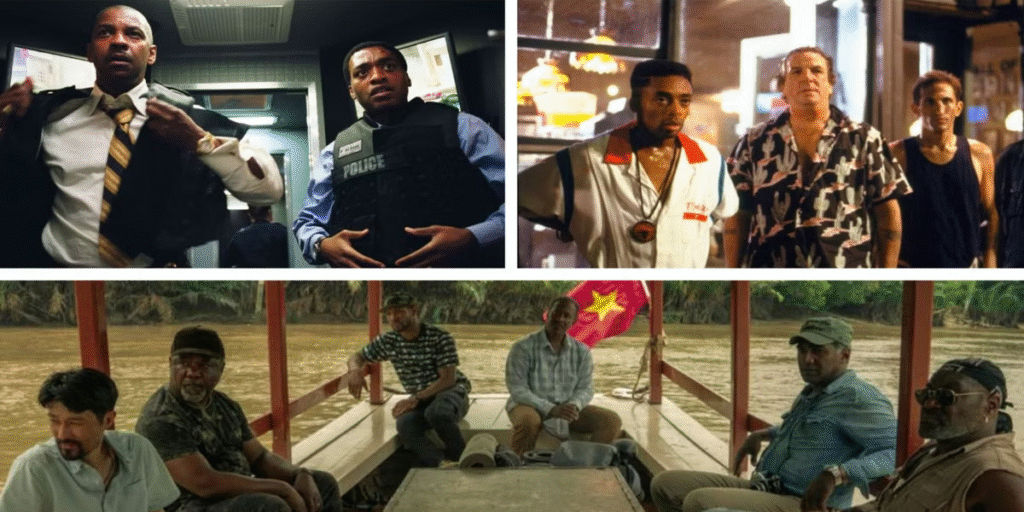
Few filmmakers in Hollywood have had the cultural influence, artistic courage, and storytelling power of Spike Lee. Over the course of several decades, he has built a reputation as one of the most fearless and thought-provoking directors in the film industry. His movies are not just entertainment; they are conversations about race, identity, inequality, politics, family, and social justice. Through bold visuals, unforgettable characters, and emotionally charged storytelling, Spike Lee transformed the way audiences view American cinema.
From his early independent films in the 1980s to his award-winning modern masterpieces, Spike Lee has continuously evolved as an artist while remaining true to his voice. His films challenge audiences to think deeply about society and the realities of life in America. At the same time, his creativity, humor, and cinematic style have inspired generations of filmmakers around the world.
The story of Spike Lee is more than the story of a director. It is the story of an artist who used film as a platform for truth, activism, and cultural expression. His evolution reflects changes not only in Hollywood but also in society itself.
Early Life and Passion for Filmmaking

Spike Lee was born Shelton Jackson Lee in Atlanta, Georgia, before his family moved to Brooklyn, New York. Growing up in Brooklyn would later become one of the biggest influences on his filmmaking style and storytelling. The neighborhoods, music, culture, and daily experiences of urban life became central themes in many of his films.
From a young age, Lee showed interest in creativity and storytelling. He eventually studied film at Morehouse College and later attended New York University’s Tisch School of the Arts. During his education, he began developing the unique artistic voice that would later make him famous.
Unlike many filmmakers of his generation, Spike Lee wanted to tell stories that mainstream Hollywood often ignored. He wanted Black communities, Black culture, and social struggles to be represented authentically on screen. At a time when opportunities for Black filmmakers were limited, Lee entered the industry with determination and originality.
His early student films already showed signs of the bold style that would later define his career. Sharp dialogue, energetic camera work, strong social commentary, and memorable characters became trademarks of his filmmaking approach.
Breakthrough Success with She’s Gotta Have It
Spike Lee’s major breakthrough came in 1986 with the release of She’s Gotta Have It. Made on a very small budget, the film became a massive success and established Lee as a fresh and important new voice in independent cinema.
The movie followed the story of a young Brooklyn woman navigating relationships and personal freedom. What made the film stand out was its originality and honesty. Lee approached topics like gender, relationships, and identity with humor and confidence, creating something that felt different from traditional Hollywood productions.
The success of the film proved that independent Black filmmakers could achieve mainstream recognition without sacrificing authenticity. It also opened doors for more diverse storytelling in American cinema.
More importantly, She’s Gotta Have It introduced audiences to Spike Lee’s fearless creative style. His use of direct camera addresses, vibrant music, and strong social themes became signatures that audiences would recognize for years to come.
Defining a Generation with Do the Right Thing
When discussing Spike Lee’s most powerful films, Do the Right Thing is impossible to ignore. Released in 1989, the film remains one of the most influential movies in American history.
Set during a hot summer day in Brooklyn, the film explores racial tension, community conflict, police violence, and human emotion. The story builds gradually toward a dramatic and unforgettable climax that continues to spark discussions decades later.
What made Do the Right Thing so powerful was its honesty. Spike Lee refused to simplify complex social issues. Instead, he presented characters with different perspectives, flaws, and motivations, allowing audiences to reflect on their own beliefs.
The film’s vibrant cinematography, energetic soundtrack, and emotionally intense performances made it both entertaining and socially important. Critics praised the movie for its bravery and realism, and it quickly became a cultural landmark.
Even today, many of the themes explored in Do the Right Thing remain relevant. The film’s discussions about race relations and police brutality continue to resonate with modern audiences around the world.
Expanding His Storytelling Style in the 1990s

During the 1990s, Spike Lee expanded his filmmaking range while continuing to explore social and political themes. He directed several important films that showcased his versatility as a storyteller.
One of the most celebrated projects from this period was Malcolm X starring Denzel Washington. The film told the life story of civil rights leader Malcolm X with emotional depth and historical detail.
Malcolm X was a major achievement for Spike Lee because it demonstrated his ability to handle large-scale historical storytelling while maintaining emotional intimacy. The film explored themes of identity, transformation, leadership, and racial injustice in a deeply powerful way.
Denzel Washington’s performance received widespread praise, and the movie became one of the defining biographical films of its era. Many critics consider Malcolm X one of the greatest films ever made.
Lee continued experimenting with different genres throughout the decade. Films like Crooklyn showcased a more personal and nostalgic side of his storytelling, while He Got Game explored sports, family relationships, and social pressures.
This period proved that Spike Lee was not limited to one type of film. He could create historical dramas, family stories, sports films, and social commentaries while maintaining his unique artistic voice.
The Signature Style of Spike Lee
Part of what makes Spike Lee such an influential filmmaker is his instantly recognizable style. Over the years, he developed cinematic techniques that became iconic in the film world.
One famous example is the “double dolly shot,” where characters appear to float through space while the background moves around them. This technique creates a dreamlike emotional effect and has been used in several of his films.
Lee also uses music in highly creative ways. Jazz, hip-hop, soul, and classic Black music traditions play a major role in setting the tone of his movies. His soundtracks often become cultural moments themselves.
Another defining element of his style is direct and emotional dialogue. Characters in Spike Lee films often express raw truths about race, society, and identity. These conversations feel real, uncomfortable, and deeply human.
Color also plays an important role in his visual storytelling. Bright reds, yellows, blues, and greens frequently appear in his films to create emotional intensity and cultural atmosphere.
Beyond technical style, what truly defines Spike Lee’s work is his courage. He is willing to discuss difficult issues that many filmmakers avoid.
Challenging Hollywood Norms
Throughout his career, Spike Lee challenged the traditional Hollywood system. He frequently criticized the lack of diversity in film industries and advocated for greater representation both on screen and behind the camera.
At a time when Black filmmakers faced major barriers, Lee built his own path through independent filmmaking and creative control. His production company, 40 Acres and a Mule Filmworks, became a symbol of artistic independence and cultural expression.
Spike Lee often used interviews, speeches, and public appearances to discuss racial inequality in Hollywood. While some critics viewed him as controversial, many admired his willingness to speak openly about important issues.
His influence extended beyond directing films. He became a mentor and inspiration for younger filmmakers who wanted to tell authentic stories from underrepresented communities.
Today, many successful directors credit Spike Lee for helping open doors for more diverse voices in cinema.
A Powerful Return with BlacKkKlansman
In 2018, Spike Lee experienced another major career milestone with BlacKkKlansman. Based on a true story, the film follows a Black police officer who infiltrates the Ku Klux Klan with the help of a Jewish colleague.
The movie blended humor, suspense, history, and political commentary in a way that felt both entertaining and urgent. Critics praised Lee for creating a film that connected historical racism with contemporary social issues.
BlacKkKlansman earned multiple award nominations and won Spike Lee his first competitive Academy Award for Best Adapted Screenplay.
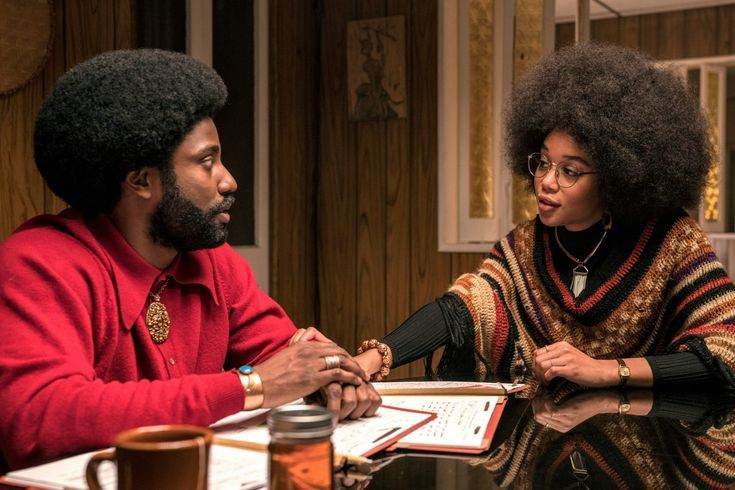
The success of the film proved that Lee’s voice remained as powerful and relevant as ever. Even after decades in the industry, he continued evolving while staying committed to meaningful storytelling.
The Cultural Impact of Spike Lee’s Films
Spike Lee’s films have had a lasting impact far beyond the world of entertainment. His work has influenced conversations about race, justice, politics, and identity for generations.
Many of his movies are studied in schools and universities because of their cultural significance. Film students analyze his directing techniques, storytelling choices, and social commentary as examples of groundbreaking cinema.
Lee also helped redefine the image of Black life in American film. Rather than relying on stereotypes, he presented complex, realistic, and emotionally rich characters.
His movies often encourage audiences to confront uncomfortable truths while also celebrating culture, resilience, and humanity.
In many ways, Spike Lee changed expectations for what films could accomplish socially and artistically.
Why Spike Lee Still Matters Today

Even in 2026, Spike Lee remains one of the most respected and influential filmmakers in the world. His work continues to resonate because the issues he explores are still relevant.
Discussions about equality, justice, identity, and representation remain central to modern society. Spike Lee’s films continue to inspire reflection and conversation around these topics.
Younger generations also appreciate his authenticity. In an era where audiences value real voices and meaningful stories, Lee’s commitment to honesty stands out more than ever.
Streaming platforms and digital media have also introduced his classic films to new audiences who are discovering his work for the first time.
His legacy continues growing as filmmakers around the world draw inspiration from his storytelling courage and artistic innovation.
FAQs
1.Who is Spike Lee?
Spike Lee is an American filmmaker, director, producer, and writer known for socially conscious films about race, identity, and culture.
2.What is Spike Lee’s most famous movie?
Many consider Do the Right Thing to be his most famous and influential film.
3.Why is Spike Lee important in cinema?
He helped bring authentic Black stories and social issues into mainstream Hollywood while inspiring future generations of filmmakers.
4.Did Spike Lee win an Oscar?
Yes, Spike Lee won an Academy Award for Best Adapted Screenplay for BlacKkKlansman.
5.What themes are common in Spike Lee’s films?
His films often explore race relations, identity, politics, social justice, family, and inequality.
Ford Bronco: Everything You Need to Know Before Buying
Buying a new vehicle is a major commitment, and choosing a purpose-built 4×4 requires looking…

PS5 Pro: Everything You Need to Know Before Buying
Buying a new gaming console is always exciting, but it also makes you stop and…

PlayStation Plus Monthly Games: Discover New Games to Play
We’ve all got that wishlist on our consoles—the one packed with games we think look…