
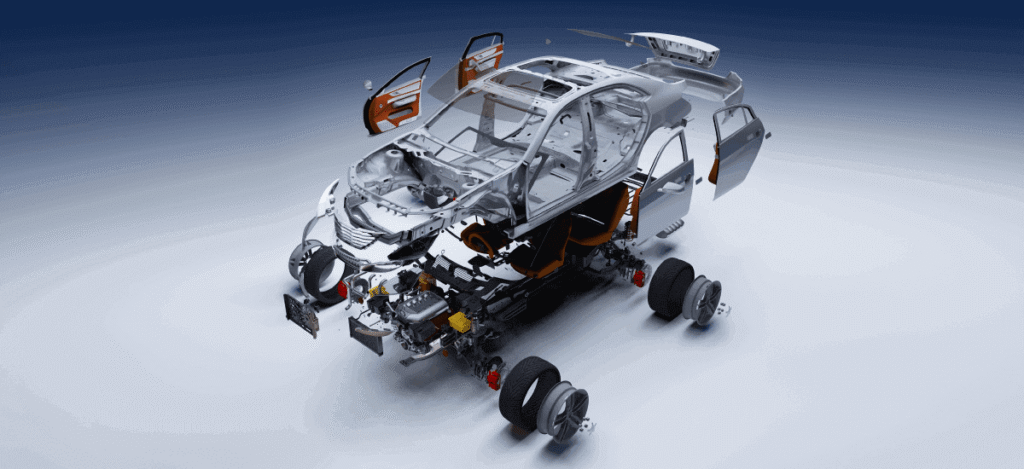
The automotive world has always fascinated people with its combination of speed, technology, design, and innovation. Cars are no longer just machines used for transportation. In 2026, automobiles have become an important part of modern lifestyles, offering comfort, convenience, entertainment, and advanced safety features. Whether someone is purchasing their first car or simply enjoys learning about vehicles, understanding the basics of the automotive industry can make driving and car ownership far more enjoyable.
For beginners, the automotive world may seem confusing at first. Terms like horsepower, torque, fuel efficiency, hybrid systems, and electric vehicles can feel overwhelming. At the same time, car lovers enjoy exploring new technologies, performance upgrades, luxury interiors, and future transportation trends. The good news is that learning about cars does not require professional expertise. With the right guidance, anyone can build a strong understanding of vehicles and how they work.
This ultimate automotive guide for beginners and car lovers will explore everything from choosing the right vehicle to understanding maintenance, modern technology, electric cars, safety systems, and future automotive trends shaping 2026.
Understanding the Basics of Cars

Before exploring advanced automotive topics, it is important to understand the basic structure of a car. Every vehicle is built around a system that allows it to move safely and efficiently. The engine, transmission, brakes, suspension, tires, and steering system all work together to create a smooth driving experience.
The engine is often called the heart of the car because it generates power. Traditional cars usually run on petrol or diesel engines, while modern electric vehicles use battery-powered motors instead. Hybrid cars combine both systems to improve fuel efficiency.
The transmission helps transfer engine power to the wheels, allowing the vehicle to move at different speeds. Brakes provide stopping power, while the suspension system helps maintain comfort and stability during driving.
Understanding these basic parts can help beginners feel more confident when discussing cars or dealing with maintenance issues.
Why Cars Are More Advanced in 2026
The automotive industry has changed dramatically over the past decade. Cars in 2026 are smarter, safer, and more connected than ever before. Modern vehicles now include advanced technology features that improve convenience and driving safety.
Touchscreen infotainment systems, voice controls, wireless charging, digital dashboards, and smartphone integration have become common in many vehicles. Drivers can now access navigation, music, messages, and vehicle settings through advanced interfaces.
Artificial intelligence and automation are also playing a growing role in modern cars. Many vehicles now include driver assistance technologies that help reduce accidents and improve driving comfort.
The rise of smart technology has transformed cars from simple machines into highly connected lifestyle products.
Choosing the Right Car for Your Lifestyle

One of the biggest decisions for beginners is choosing the right vehicle. The best car depends on personal needs, lifestyle, budget, and driving habits.
Some people prefer compact cars because they are affordable, fuel-efficient, and easier to park in busy cities. Families often choose SUVs because they offer more space, comfort, and safety features. Sports car enthusiasts usually focus on performance, speed, and handling.
Electric vehicles are also becoming increasingly popular because of rising fuel costs and environmental awareness. Hybrid cars appeal to drivers who want both fuel efficiency and traditional engine reliability.
When choosing a car, it is important to consider maintenance costs, fuel efficiency, safety ratings, and long-term reliability instead of focusing only on appearance.
In 2026, many consumers are becoming smarter buyers by researching vehicles carefully before making a purchase.
The Rise of Electric Vehicles
Electric vehicles have become one of the biggest automotive trends in recent years. Governments, manufacturers, and consumers are all supporting the transition toward cleaner transportation.
Electric cars run on rechargeable batteries instead of fuel engines, reducing emissions and fuel expenses. Modern electric vehicles now offer longer driving ranges, faster charging times, and advanced technology features.
Many car lovers initially worried that electric vehicles would reduce excitement in driving culture, but modern EVs have proven otherwise. Electric motors can deliver impressive acceleration and smooth performance.
Charging infrastructure is also improving rapidly in many countries, making electric vehicles more practical for everyday use.
In 2026, the automotive industry is moving closer to a future where electric transportation becomes mainstream.
Understanding Car Maintenance

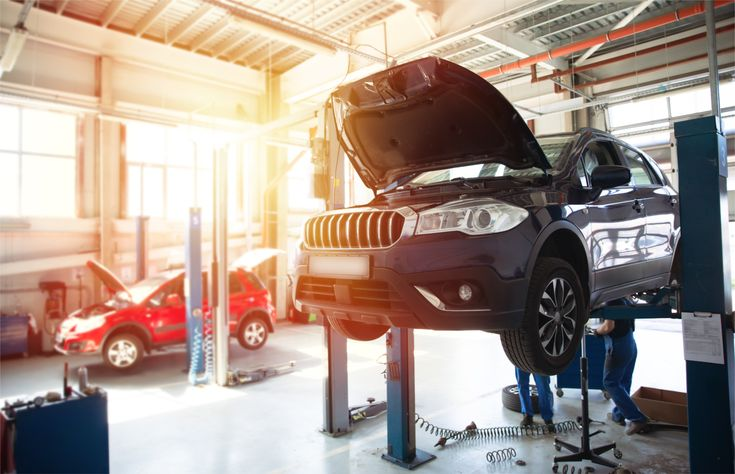
Car maintenance is one of the most important aspects of vehicle ownership. Proper maintenance not only improves performance but also increases safety and extends the lifespan of the car.
Regular oil changes, tire checks, brake inspections, and battery maintenance help prevent major mechanical problems. Ignoring maintenance often leads to expensive repairs later.
Beginners should learn how to monitor basic vehicle conditions such as tire pressure, engine temperature, and fluid levels. Even small habits like keeping the car clean and servicing it on time can improve long-term reliability.
Modern vehicles now include warning systems and dashboard alerts that help drivers identify issues early. Understanding these alerts can prevent unnecessary damage and improve safety.
Fuel Efficiency and Smart Driving Habits
Fuel efficiency has become increasingly important as fuel prices continue to rise. Many drivers now look for vehicles that offer better mileage and lower operating costs.
Driving habits also affect fuel consumption significantly. Aggressive acceleration, excessive speeding, and sudden braking can reduce fuel efficiency. Smooth driving and maintaining consistent speeds help save fuel.
Keeping tires properly inflated and reducing unnecessary vehicle weight can also improve mileage. Hybrid and electric vehicles are especially popular among drivers who want lower running costs.
In 2026, fuel efficiency is no longer only about saving money. It is also connected to environmental awareness and sustainable living.
Safety Features in Modern Cars
Safety technology has improved tremendously in recent years. Cars in 2026 include advanced safety systems that help protect both drivers and passengers.
Features like automatic emergency braking, lane-keeping assist, blind-spot monitoring, adaptive cruise control, and parking sensors are now common in many vehicles.
These technologies help reduce accidents by assisting drivers during difficult situations. Rearview cameras and 360-degree parking systems also make driving safer and easier, especially for beginners.
Despite advanced technology, responsible driving remains essential. Drivers should avoid distractions, follow traffic rules, and stay alert on the road at all times.
Automotive safety continues to evolve as manufacturers invest heavily in accident prevention technology.
Why Car Design Matters
Car design is about much more than appearance. The shape, structure, and interior layout of a vehicle all affect comfort, aerodynamics, and performance.
Modern automotive design focuses on combining style with practicality. Sleek exterior designs improve airflow and fuel efficiency, while spacious interiors enhance passenger comfort.
Luxury-inspired interiors are becoming increasingly common even in budget-friendly vehicles. Features like ambient lighting, digital displays, premium materials, and panoramic sunroofs are now available in more affordable cars.
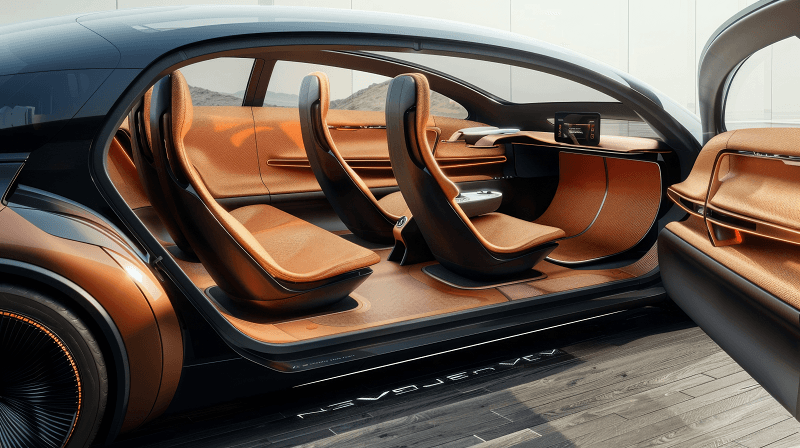
For many car lovers, design plays a major role in emotional connection with a vehicle. A well-designed car often reflects personality, lifestyle, and driving preferences.
Car Culture and Automotive Passion
The automotive world is more than just transportation. Car culture has created communities of enthusiasts who share a passion for vehicles, performance, customization, and innovation.
Car meets, automotive shows, racing events, and online communities allow people to connect through shared interests. Some enthusiasts enjoy modifying vehicles with custom wheels, body kits, or performance upgrades, while others focus on restoring classic cars.
Social media has also expanded automotive culture by making it easier for people to share reviews, experiences, and creative content related to cars.
In 2026, automotive passion continues to grow because cars remain symbols of freedom, creativity, and technological progress.
The Future of Self-Driving Cars
One of the most exciting developments in the automotive industry is autonomous driving technology. Self-driving cars are being tested and developed by major manufacturers and technology companies around the world.
Although fully autonomous driving is not yet common everywhere, many vehicles already include semi-autonomous features like adaptive cruise control and automated parking.
The goal of self-driving technology is to reduce accidents caused by human error and improve transportation efficiency. However, challenges related to safety, regulations, and public trust still exist.
As technology continues to improve, self-driving systems are expected to play a larger role in future transportation.
Common Mistakes First-Time Car Owners Make
Beginners often make simple mistakes when purchasing or maintaining their first car. Some people focus too much on appearance without considering maintenance costs or fuel efficiency.
Others skip regular servicing or ignore warning lights, which can lead to expensive repairs later. Overspending on unnecessary upgrades or failing to research insurance costs are also common mistakes.
Learning basic automotive knowledge helps prevent these problems and allows drivers to make smarter decisions.
In 2026, online reviews, comparison tools, and automotive communities make it easier than ever for beginners to research vehicles before buying them.
Automotive Technology and Entertainment
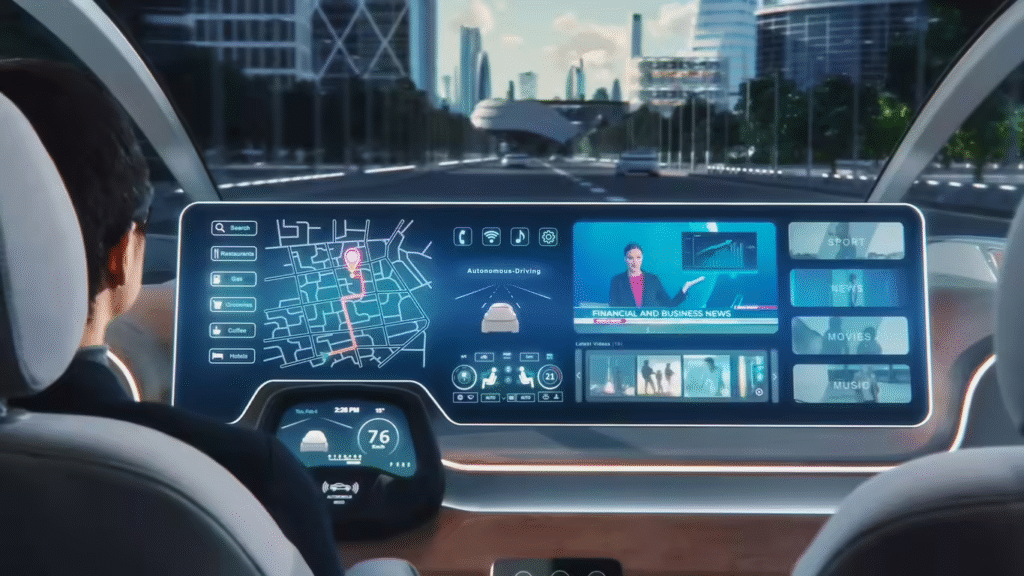
Modern vehicles are now designed to provide entertainment and connectivity along with transportation. Infotainment systems have become a major part of the driving experience.
Drivers can access music streaming, navigation, hands-free calling, and smartphone apps directly from their car screens. Voice assistants are also becoming more advanced, allowing drivers to control settings safely while driving.
Some vehicles now include premium sound systems, rear-seat entertainment displays, and customizable digital interfaces that improve comfort during long journeys.
Technology continues to make driving more enjoyable and convenient for modern consumers.
Sustainability and the Automotive Industry
Environmental concerns are influencing the future of the automotive industry. Manufacturers are investing heavily in cleaner energy solutions, recyclable materials, and sustainable production methods.
Electric vehicles, hybrid technology, and fuel-efficient engines are helping reduce environmental impact. Some companies are also experimenting with hydrogen-powered vehicles and alternative fuels.
Consumers are becoming more aware of sustainability, which is encouraging automakers to create greener transportation solutions.
In 2026, the automotive industry is balancing performance, innovation, and environmental responsibility more than ever before.
FAQs
1.What is the best car for beginners?
Compact cars and fuel-efficient sedans are often considered good choices for beginners because they are easier to drive and maintain.
2.Why are electric vehicles becoming popular?
Electric vehicles are popular because they reduce fuel costs, lower emissions, and offer advanced modern technology.
3.How often should a car be serviced?
Most cars should be serviced regularly according to manufacturer recommendations, usually every few months or after a certain mileage.
4.What does fuel efficiency mean?
Fuel efficiency refers to how far a vehicle can travel using a certain amount of fuel.
5.Are modern cars safer than older vehicles?
Yes, modern cars include advanced safety technologies such as automatic braking, lane assistance, and airbags that improve protection.